| If profound intractable problems exist in society, it follows that the professions needed to fix them have not yet been invented. Ian Wojtowicz (he/him) is a writer who builds stuff. His work applies techniques of connection, dissensus, modifiability, playfulness, editing, argument, dialogue, and repair. He has shown work in Hong Kong, Europe and throughout North America, and has published work in Wired Magazine, Atlantic Monthly, and on PBS and Discovery channels. Professionally, Wojtowicz has consulted for the Canadian Broadcasting Corporation, the US National Coast Guard Museum, the Redwoods National and State Parks, and indigenous cultural projects at Nk'Mip and Wanuskewin. Wojtowicz holds a degree in Art, Culture and Technology from MIT’s School of Architecture and is the editor of a collected volume from MIT Press entitled Interrogative Design, on artist Krzysztof Wodiczko's influential design philosophy. He currently lives and works in Vancouver, Canada, on the territories of the Squamish, Musqueam and Tsleil-Waututh people. |
Birch
I found this stick by chance in a forest outside the town of Troyes and carried it with me around Paris for several months.
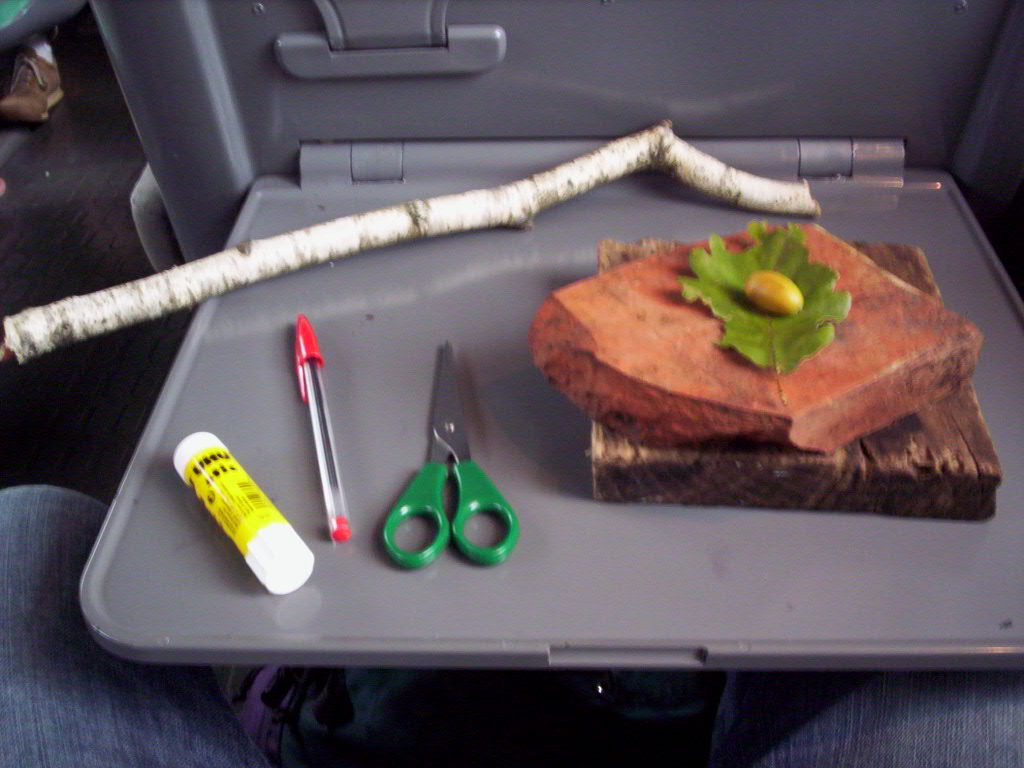
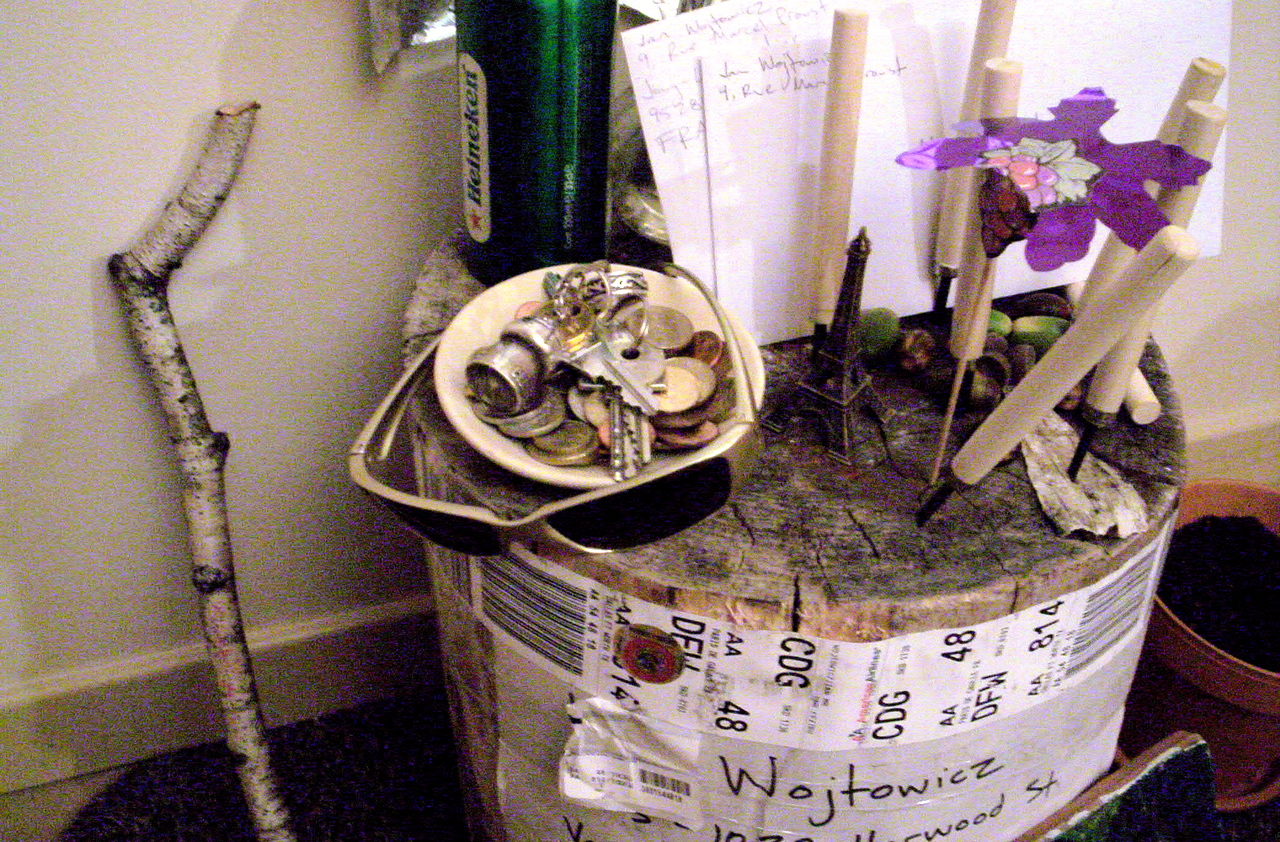
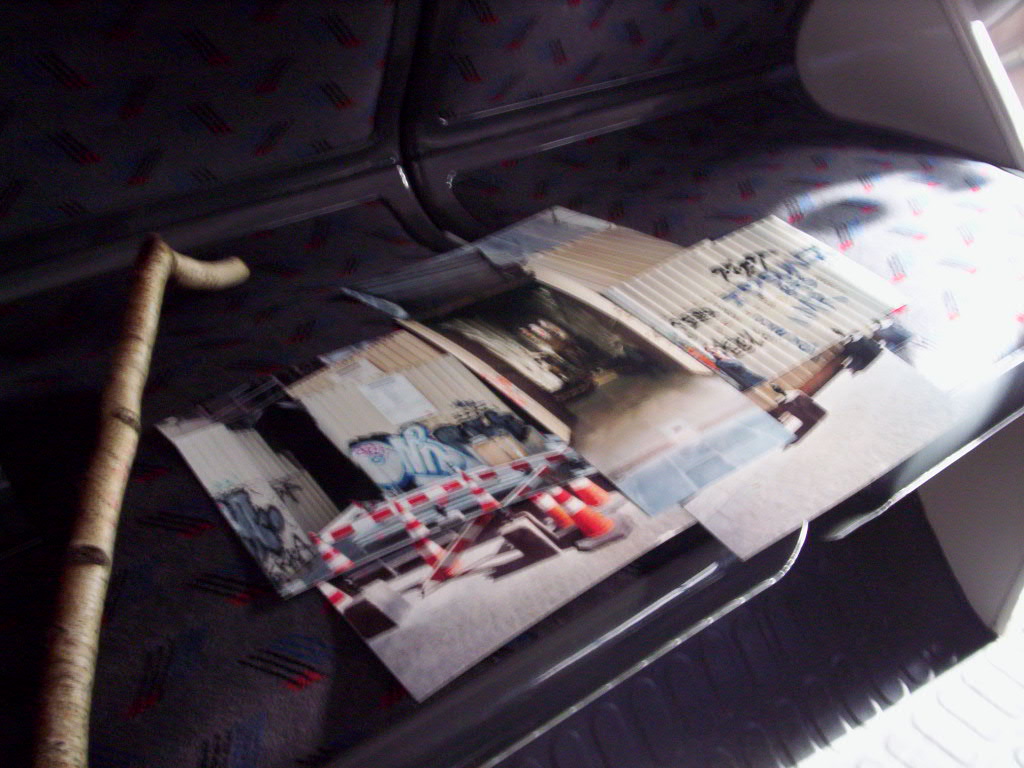
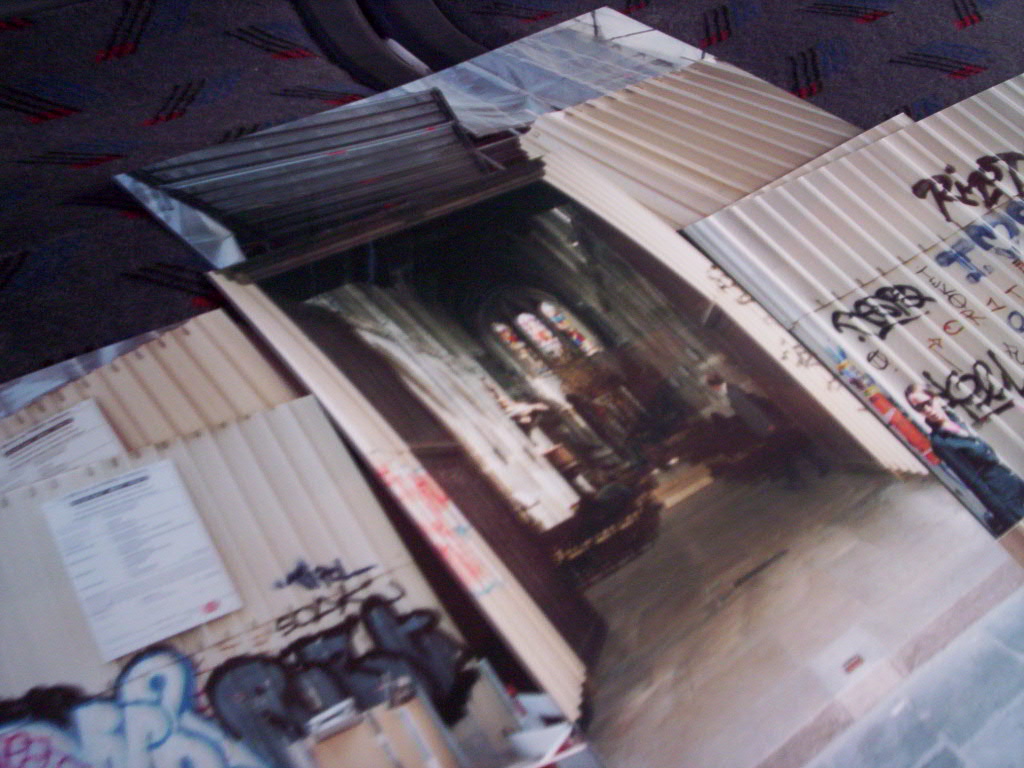
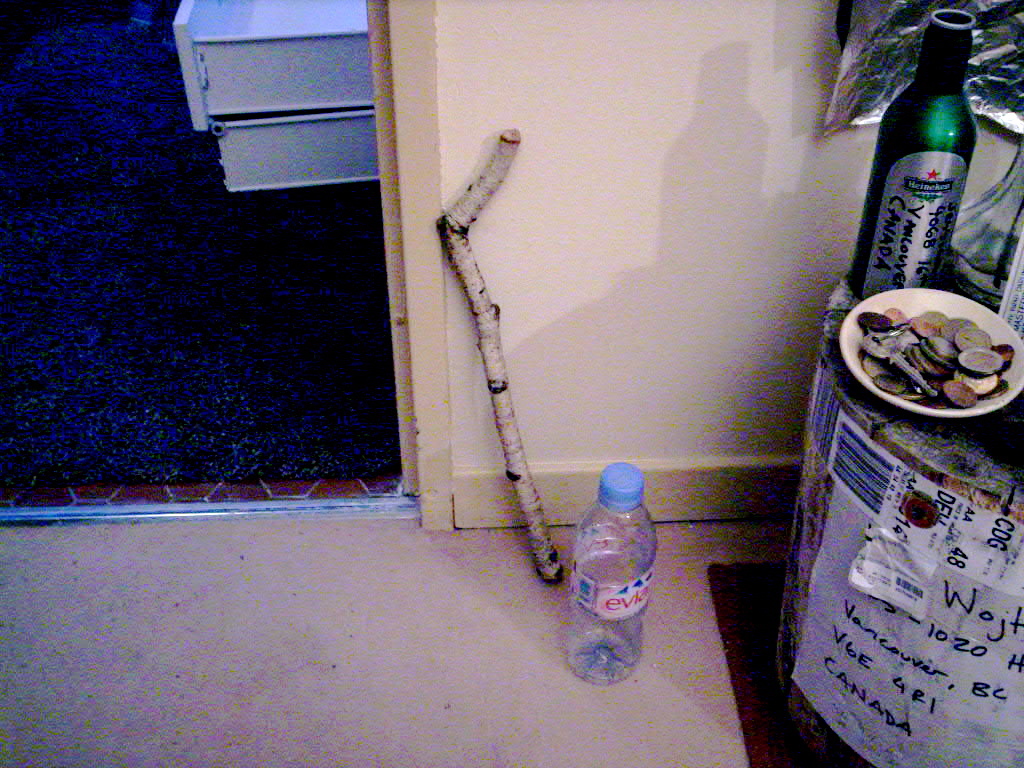
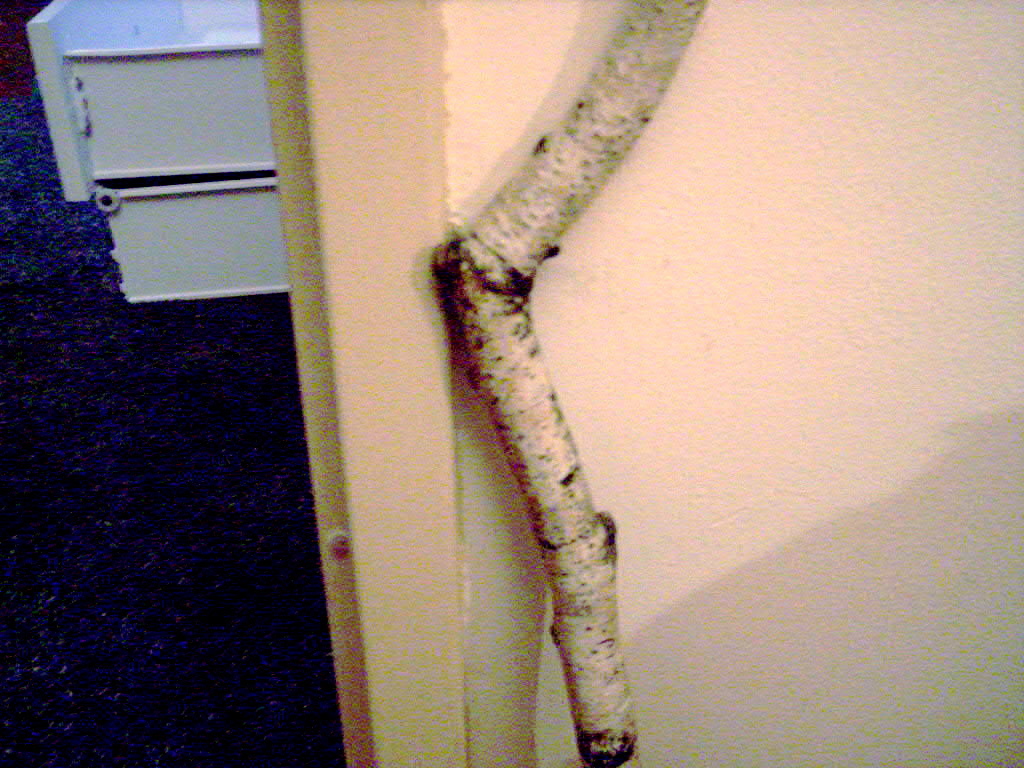
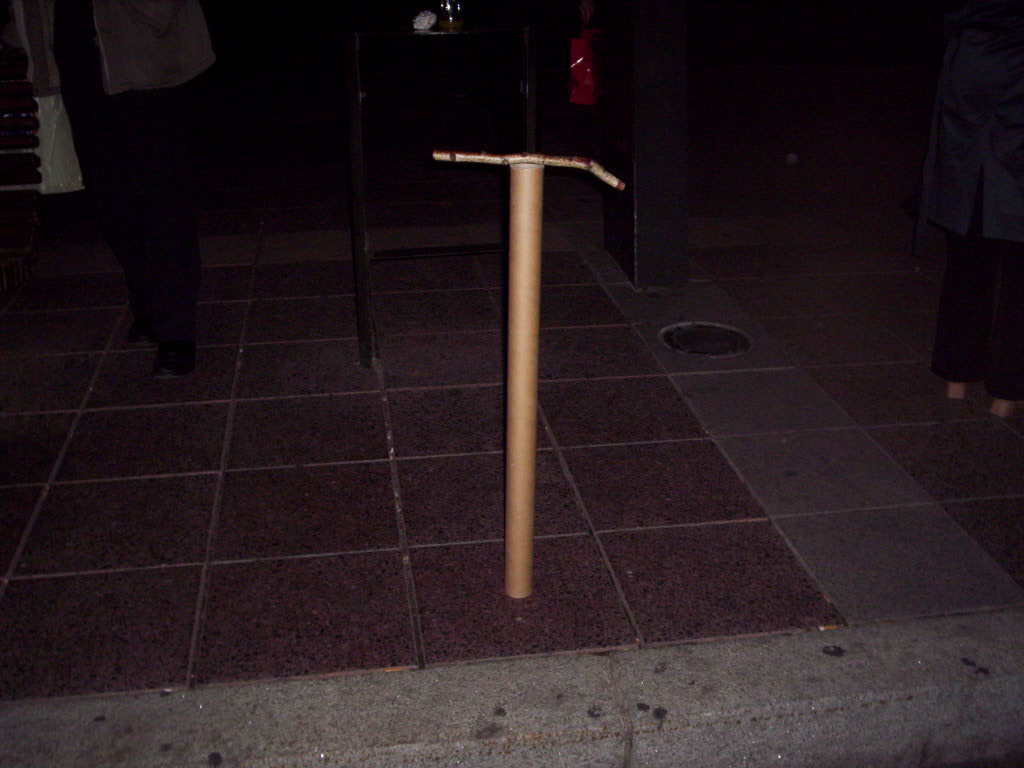
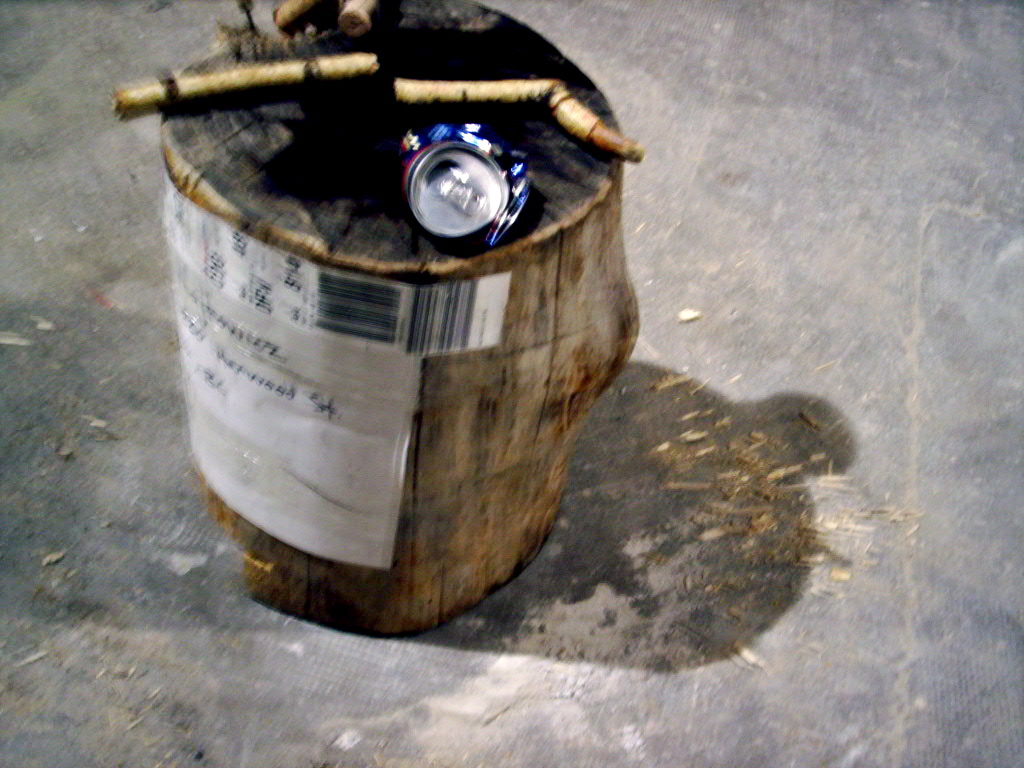
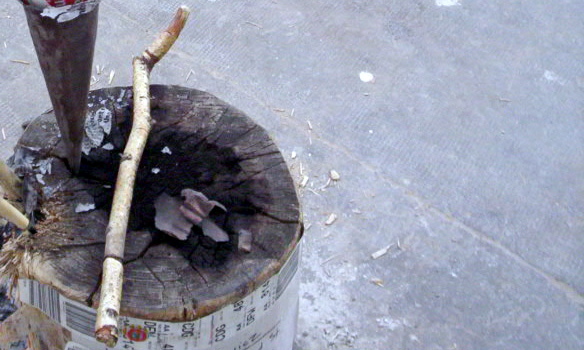
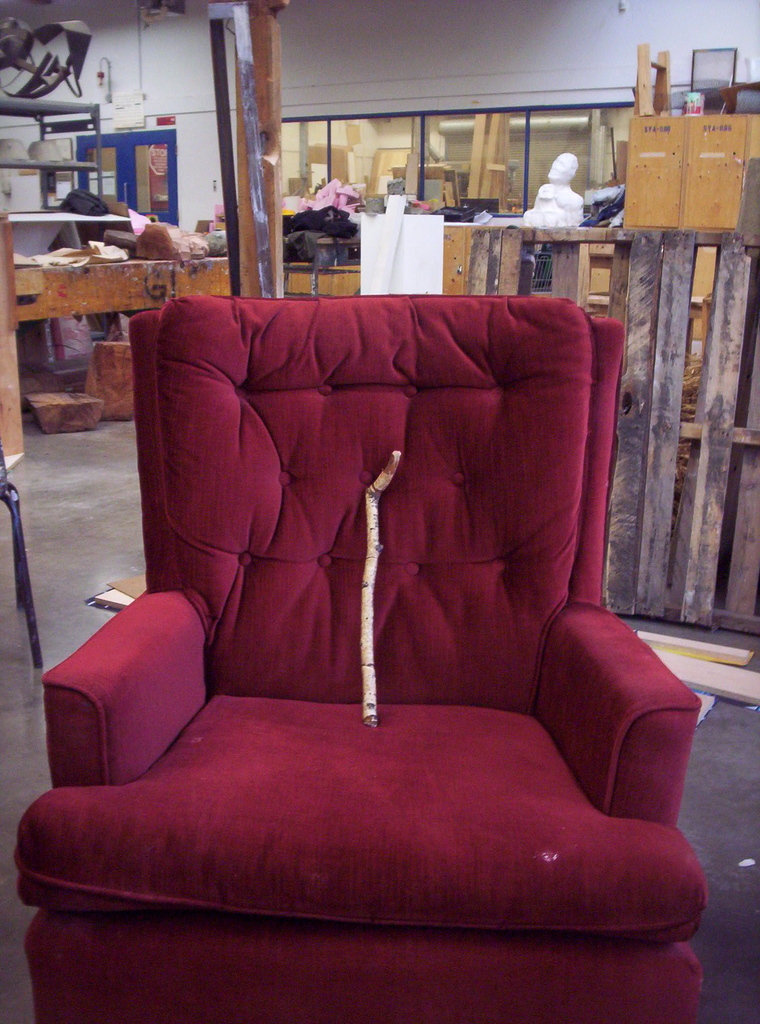
As I walked through the city, I transformed the stick into various objects: a sceptre, a pistol, a parrot, a golf club, a baton, a fencing foil, a talking stick, a telescope, a walking cane, a laser pointer, a drumstick.
This latter manifestation was the most lively. As I walked, I sounded out a tinny melody on the city's surfaces — playing Paris like a xylophone. Railings, door frames, lamp posts, fences, garbage cans, signs, newspaper boxes... each object had its own musical timbre and resonance. My walks across the city developed their own melodies, like a songline.
This object prompted Emmanuel Saulnier to invite me to work in his atelier at ENSBA. He was curious about why I was carrying it with me, and when he learned that I was Polish but didn't know the meaning of the word "Birkenau," he was convinced that I should work with him.
At that point, the stick became a writing surface for notes on Polish history. I made notes on the stick's bark as I learned them.
A few weeks later, I was walking along and threw the stick in the air. I missed it on the way down and it snapped in two, across the word "Jedwabne." So I took it to Christian Boltanski and asked him what I should do with it.
He said, plainly, "You have to work with the fact that the stick is broken."