| If profound intractable problems exist in society, it follows that the professions needed to fix them have not yet been invented. Ian Wojtowicz (he/him) is a writer who builds stuff. His work applies techniques of connection, dissensus, modifiability, playfulness, editing, argument, dialogue, and repair. He has shown work in Hong Kong, Europe and throughout North America, and has published work in Wired Magazine, Atlantic Monthly, and on PBS and Discovery channels. Professionally, Wojtowicz has consulted for the Canadian Broadcasting Corporation, the US National Coast Guard Museum, the Redwoods National and State Parks, and indigenous cultural projects at Nk'Mip and Wanuskewin. Wojtowicz holds a degree in Art, Culture and Technology from MIT’s School of Architecture and is the editor of a collected volume from MIT Press entitled Interrogative Design, on artist Krzysztof Wodiczko's influential design philosophy. He currently lives and works in Vancouver, Canada, on the territories of the Squamish, Musqueam and Tsleil-Waututh people. |
B'Seder
בסדר
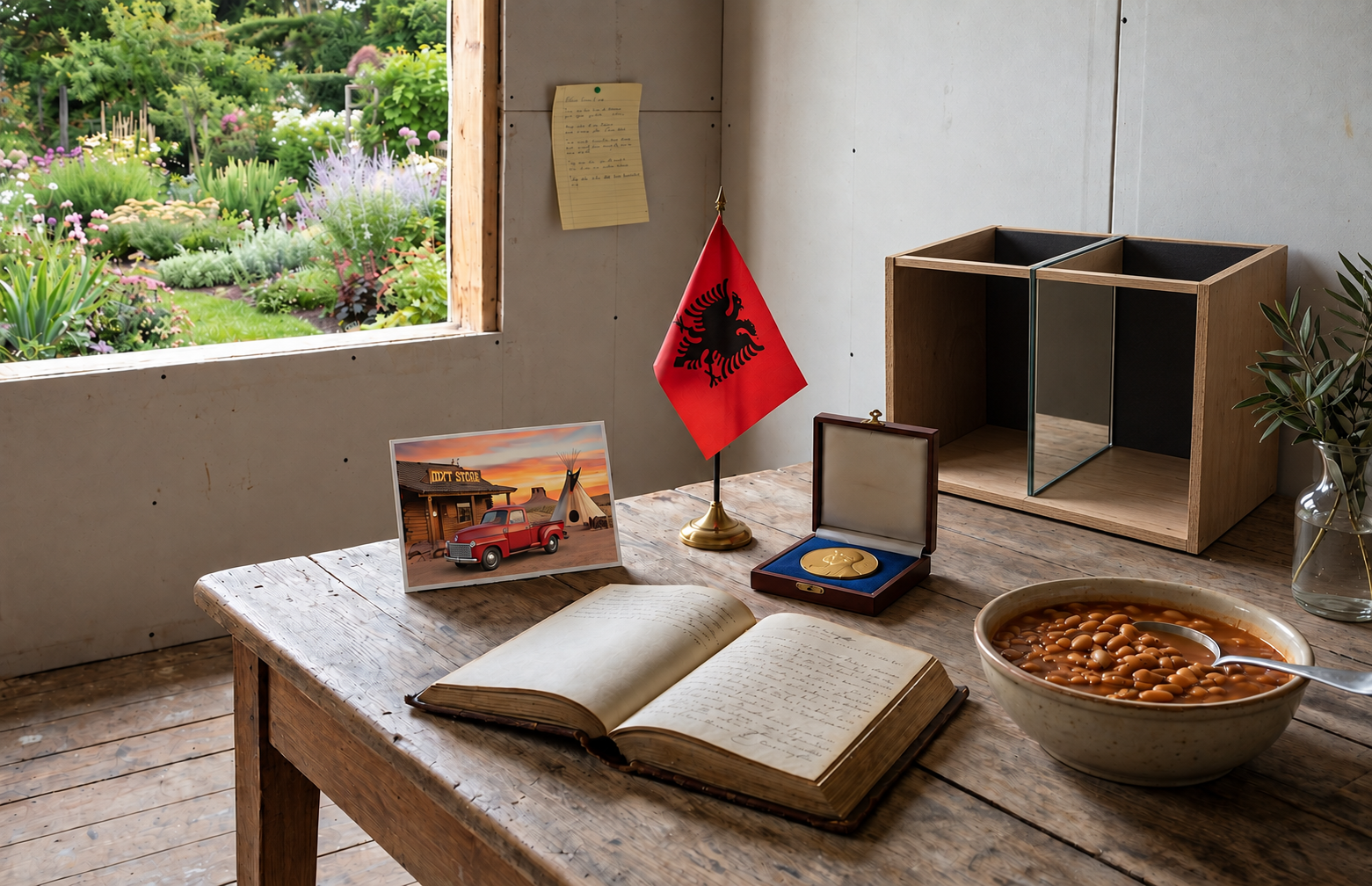
"The Polish-Jewish relationship is the embattled terrain of several collective memories, each with its claim to moral legitimacy, and each charged with fierce and sometimes vehement feelings."1 These contested histories are the source of tension and animosity between Poles and Jews to this day. Unlike the German-Jewish relationship, where "the moral rights and wrongs were starkly clear," Poland's past is far more complex.2
B'Seder is an evolving photomontage about Polish and Jewish histories and their complex present — an image that stores and retransmits contested histories. The image is printed on a regular basis and changes over time. The objects in the image stand-in for narratives collected from conversations, readings and film.
This project uses the ancient technology of memory palaces to produce a long-term relational aesthetic practice for conflict transformation and, ultimately, healing.
The process begins with a photograph of an empty room — an imaginary space in which new things will be composed. A mediator interprets the image for the audience, collecting anecdotes from conversations and shared readings. The mediator then translates these anecdotes into visual mnemonic objects which are placed into the image. This accumulation and editing process continues as the project travels from site to site with new participants.
The B'Seder project follows Robert Baruch Bush's theory of transformative mediation as well as Pierre Janet and Judith Herman's methodologies of post-traumatic therapy by seeking to transform fragmented memories into cohesive, flowing narratives. After an extended period of research, collecting, and recounting, the artist and participants will begin an editing and organizing period where these anecdotal objects are rearranged in support of a more holistic narrative.
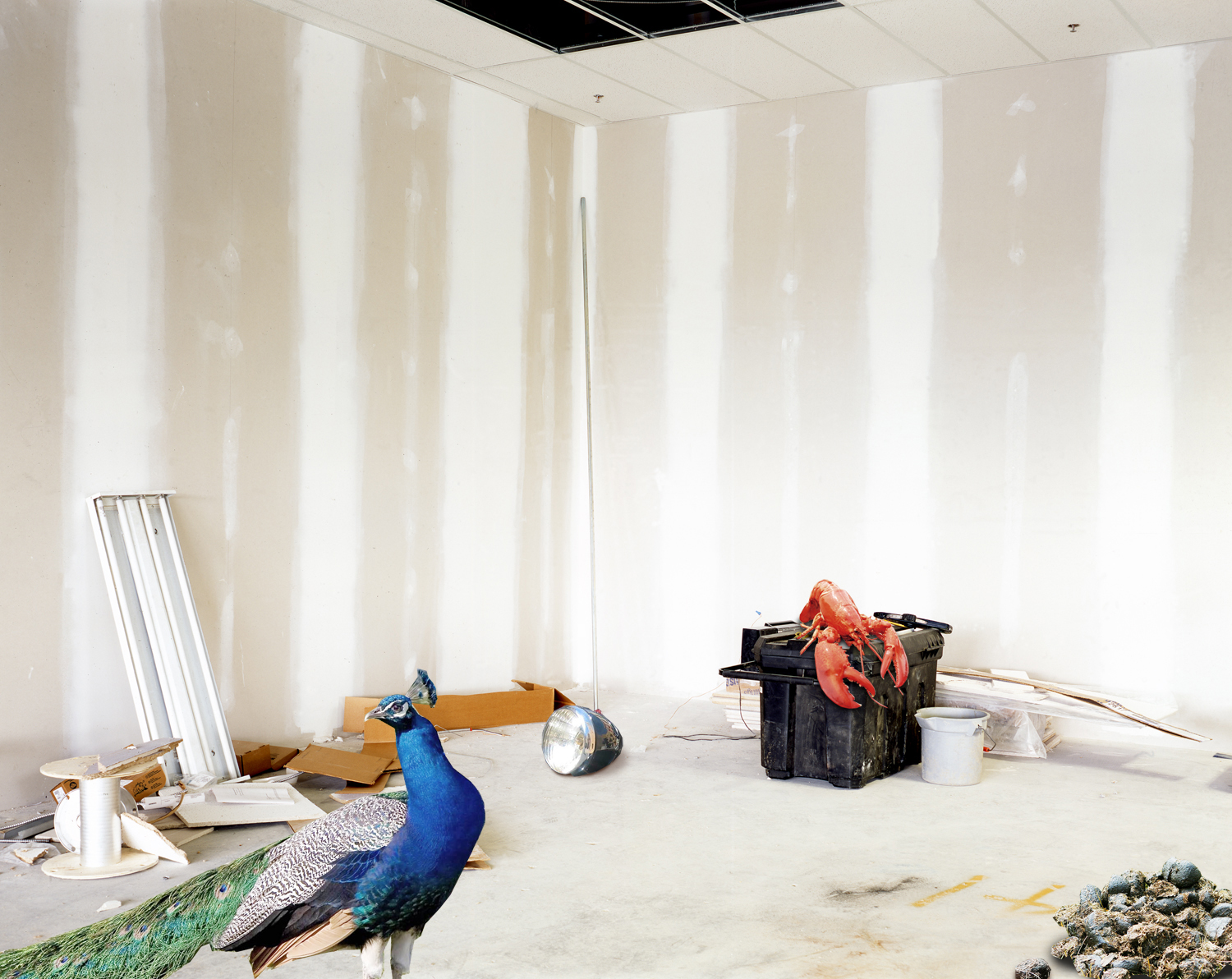
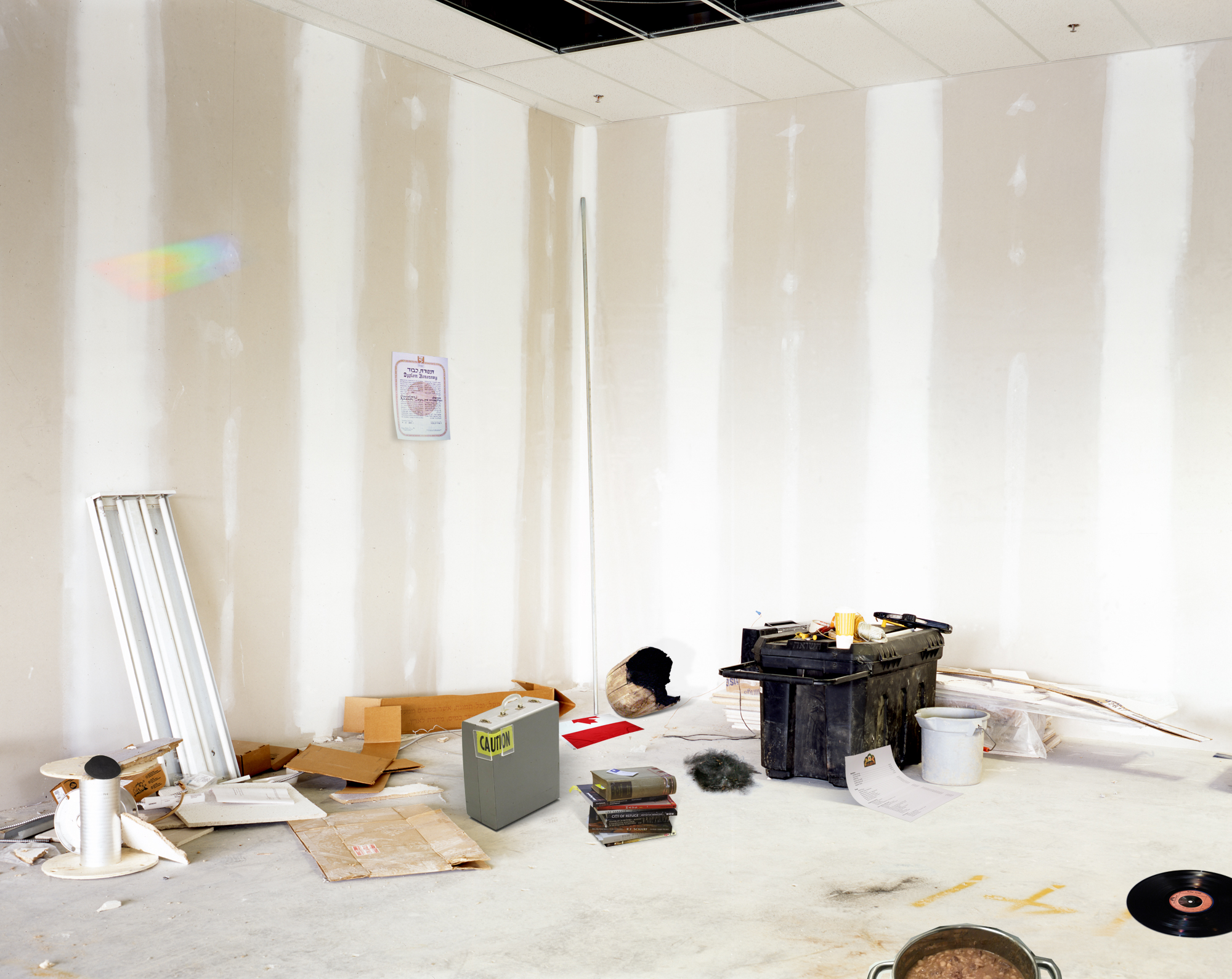
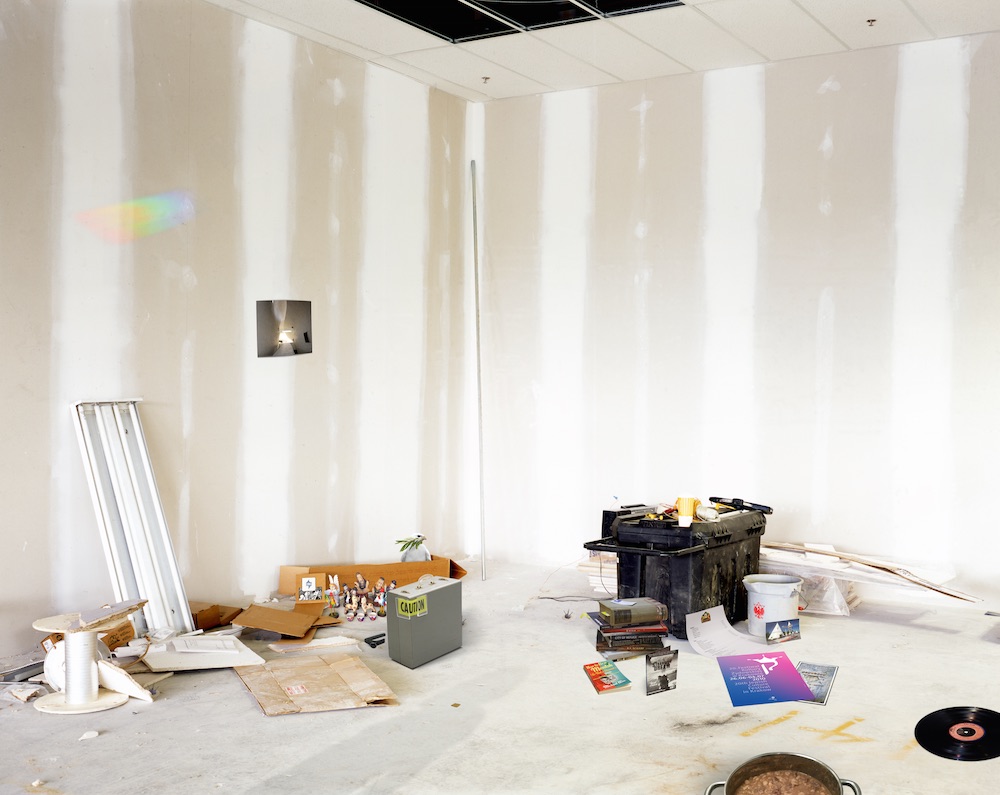
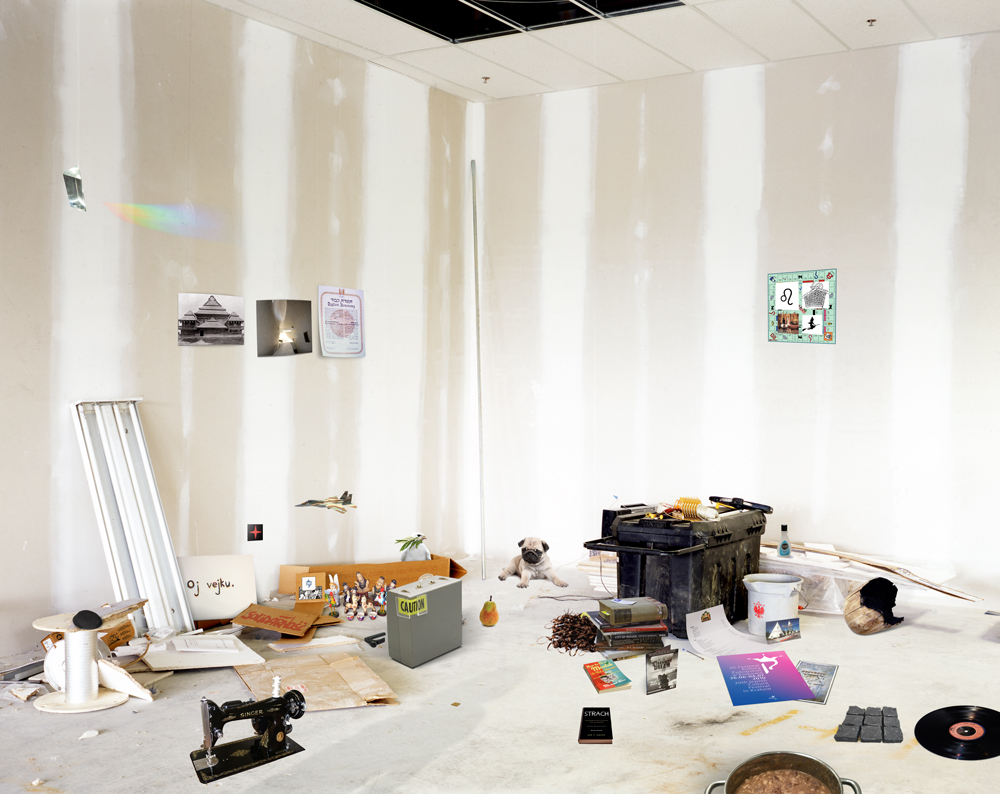
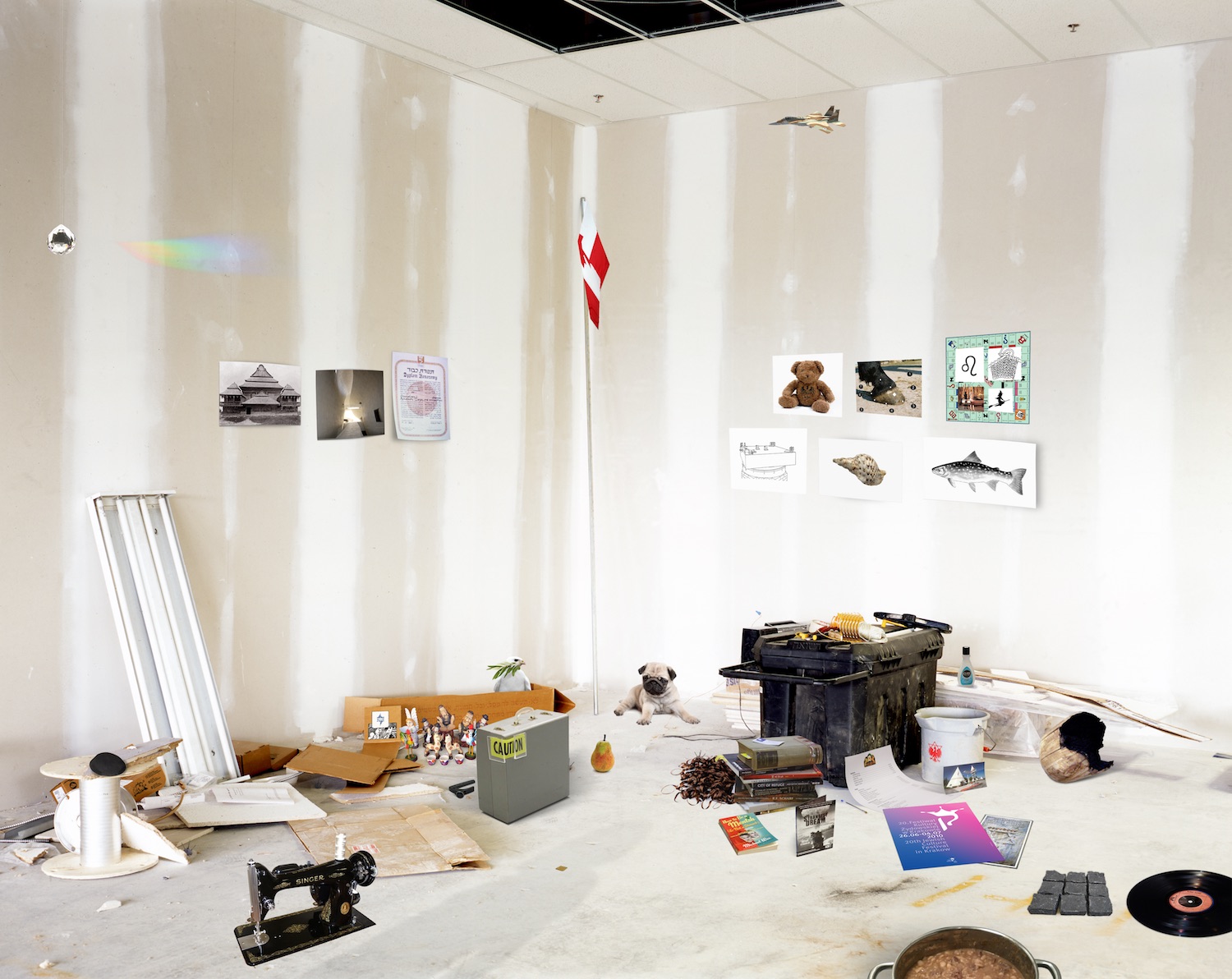
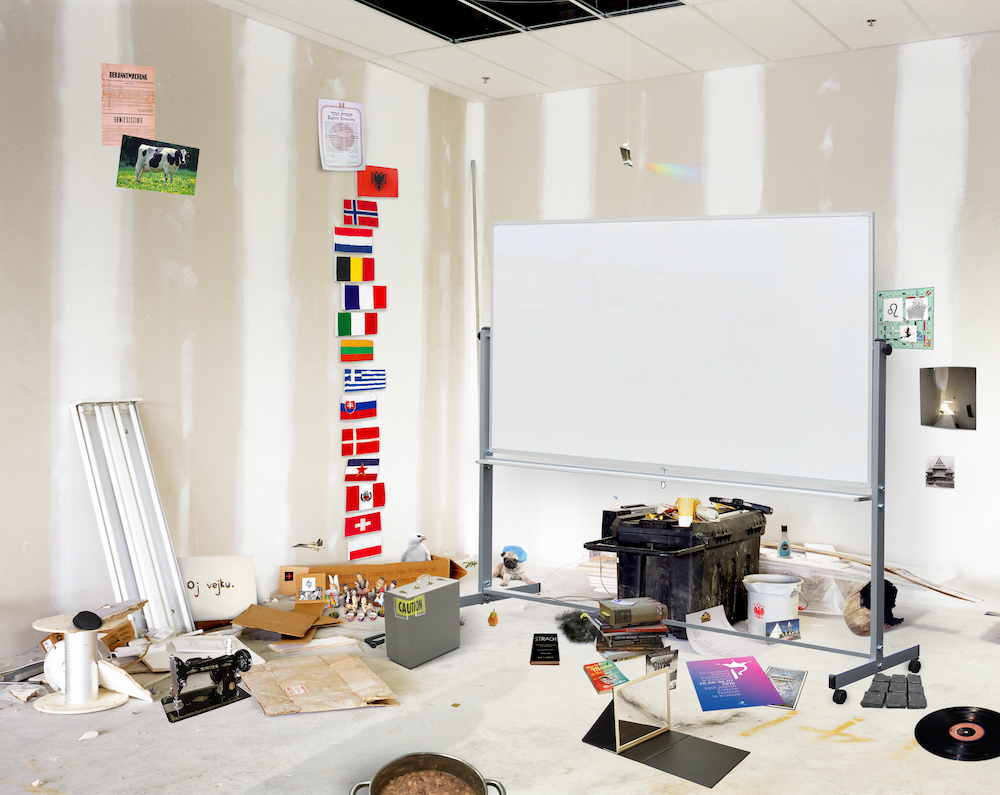
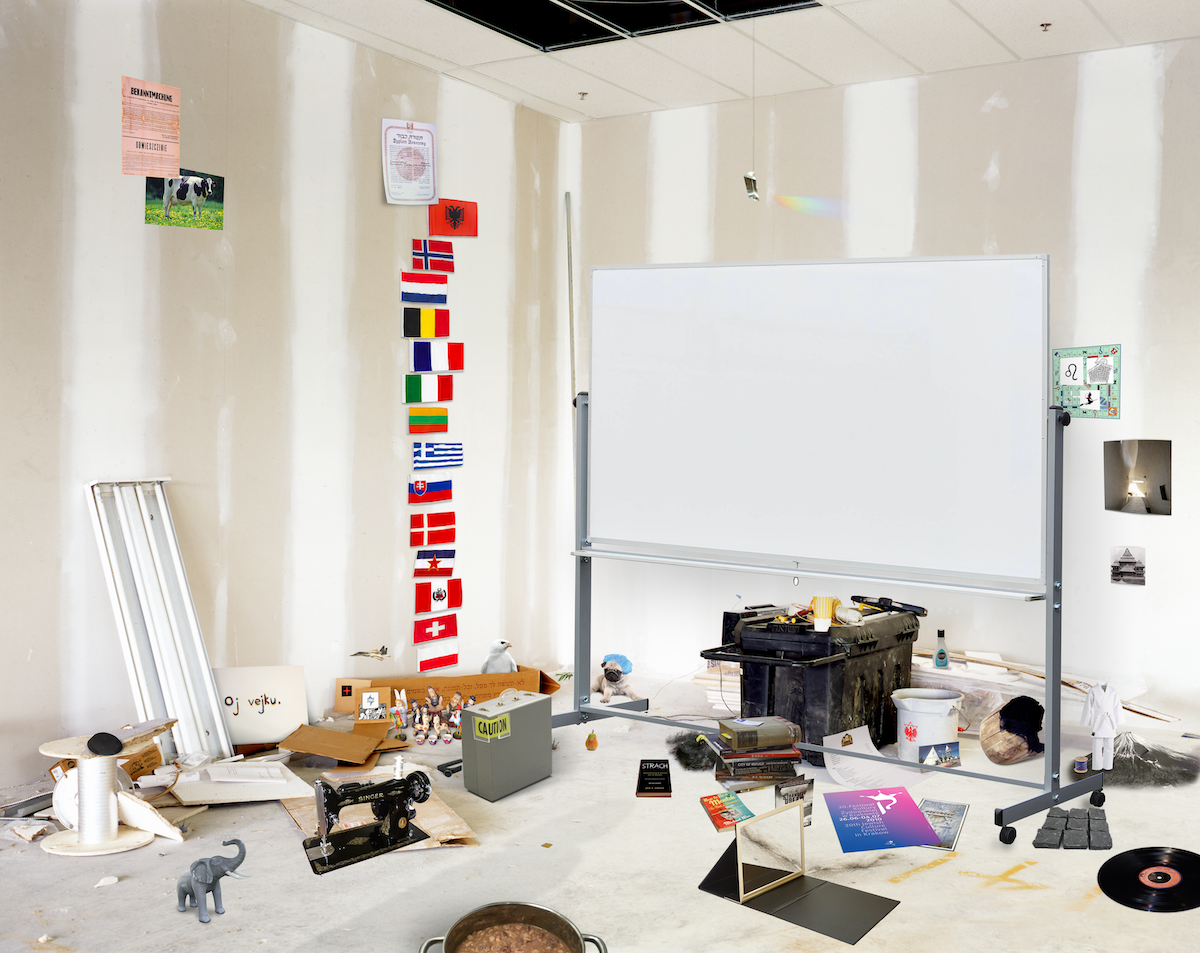
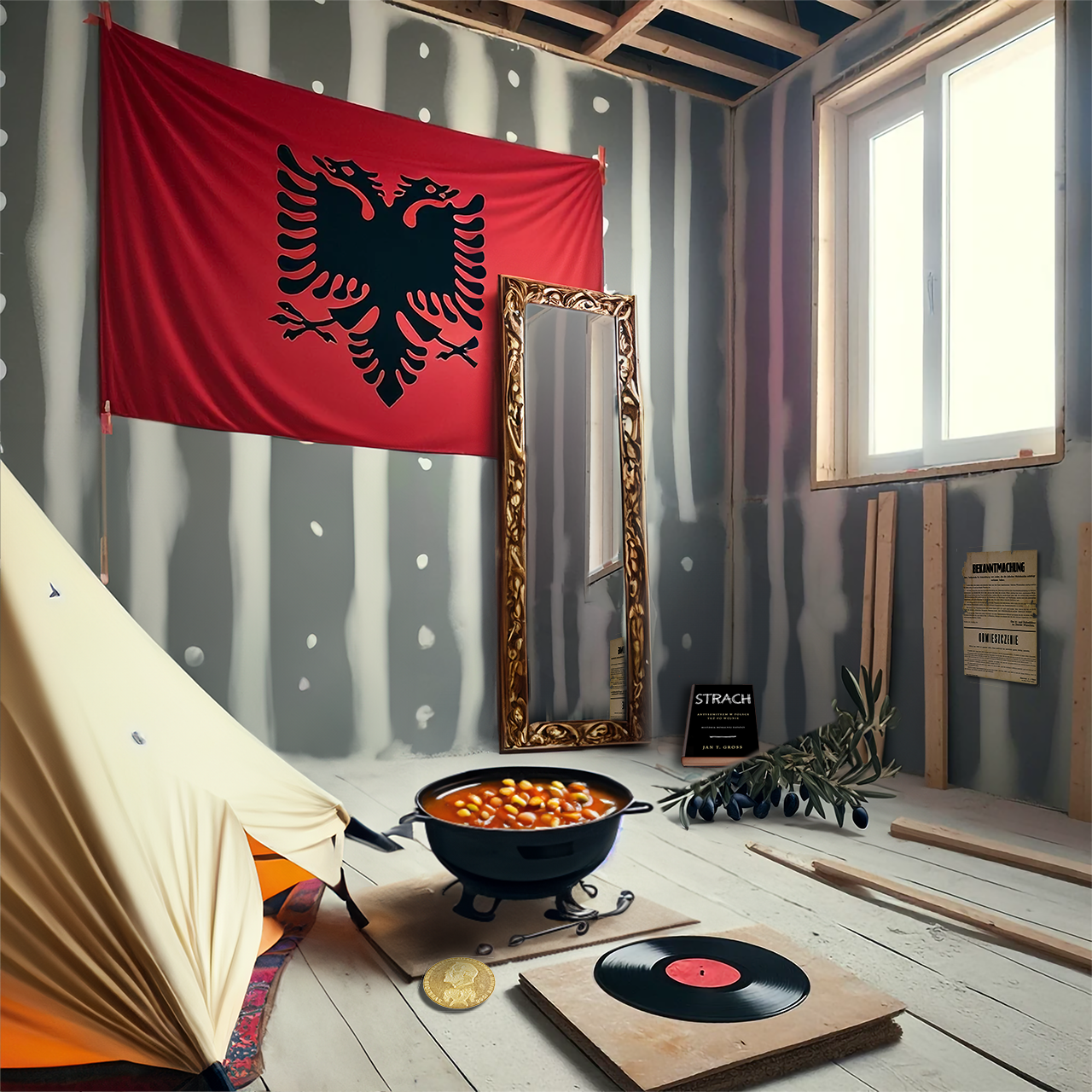
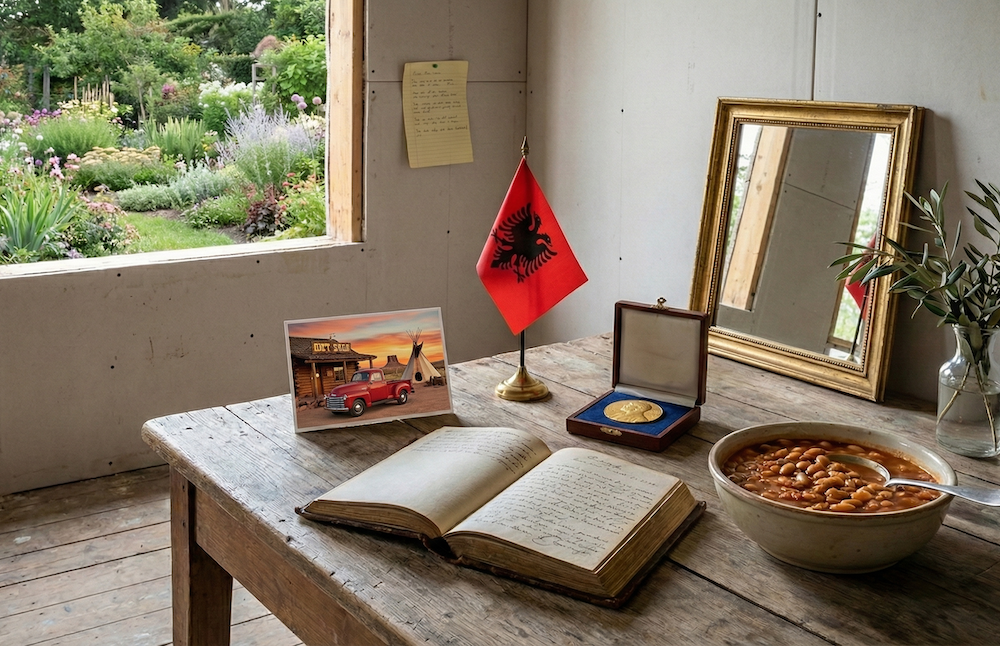
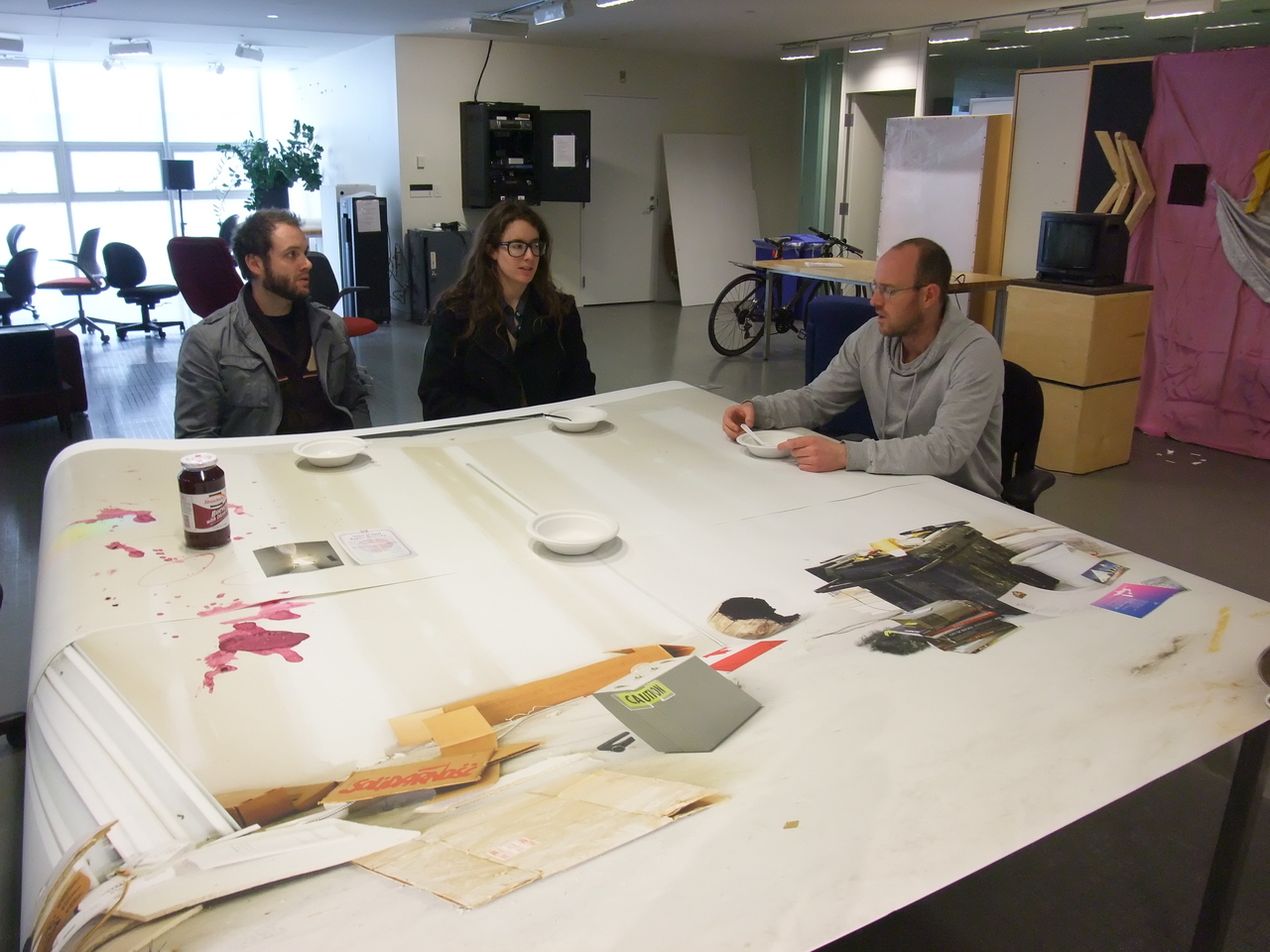
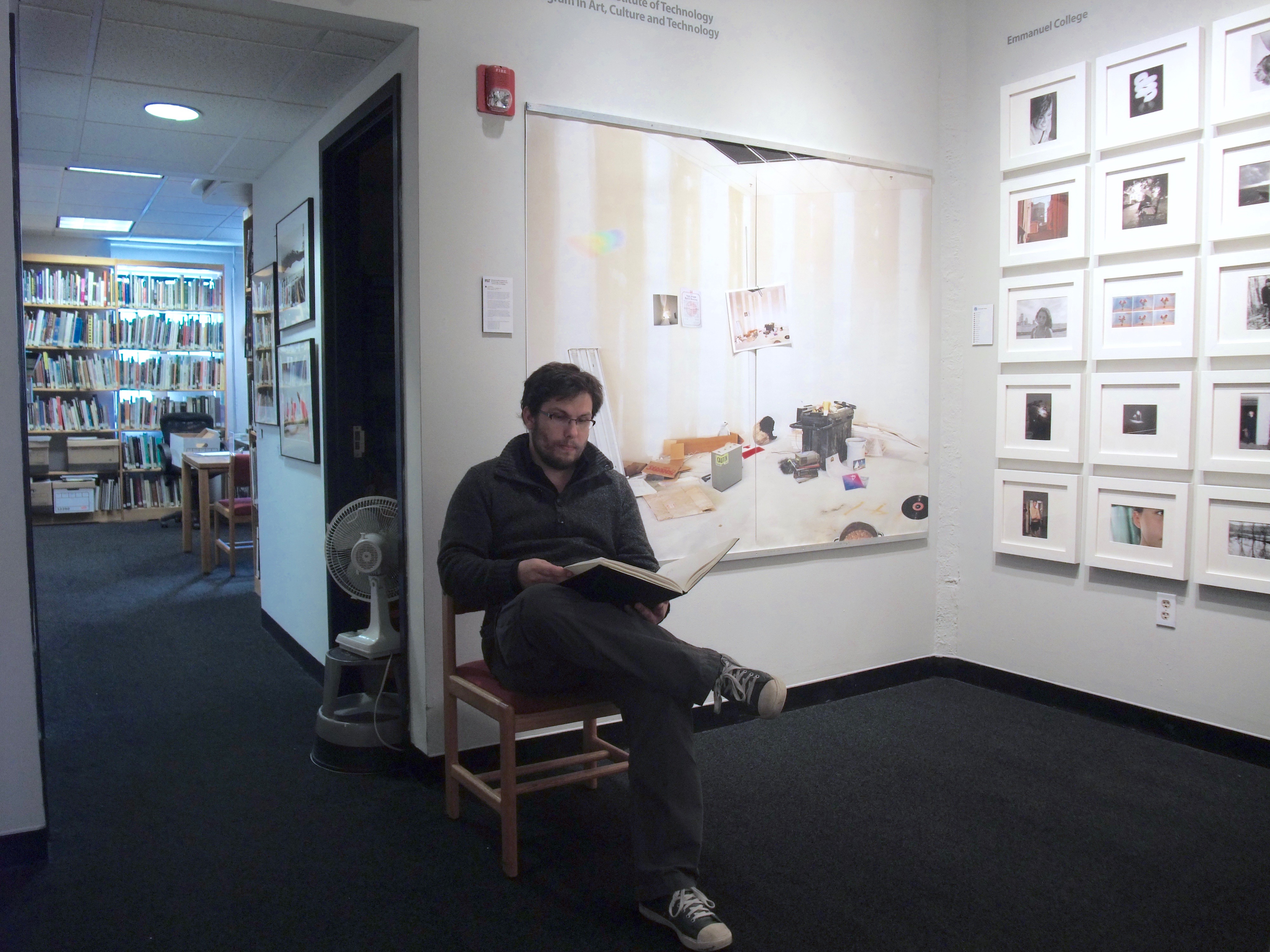
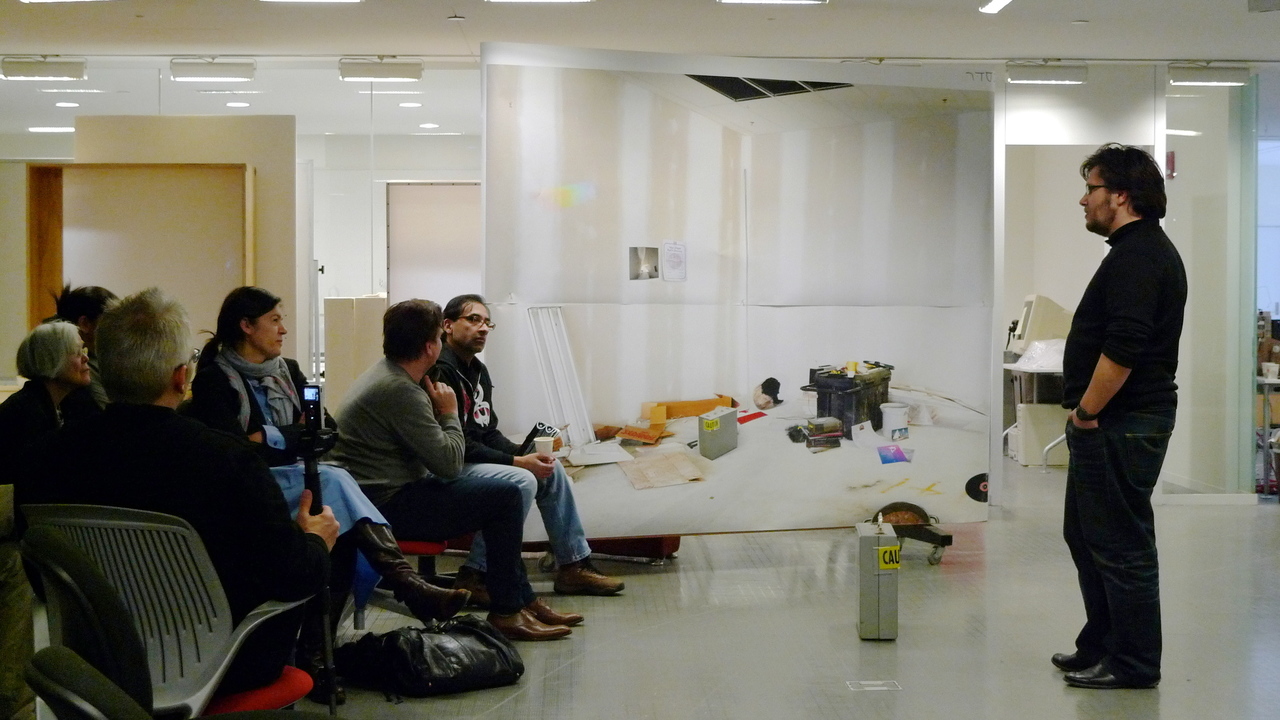
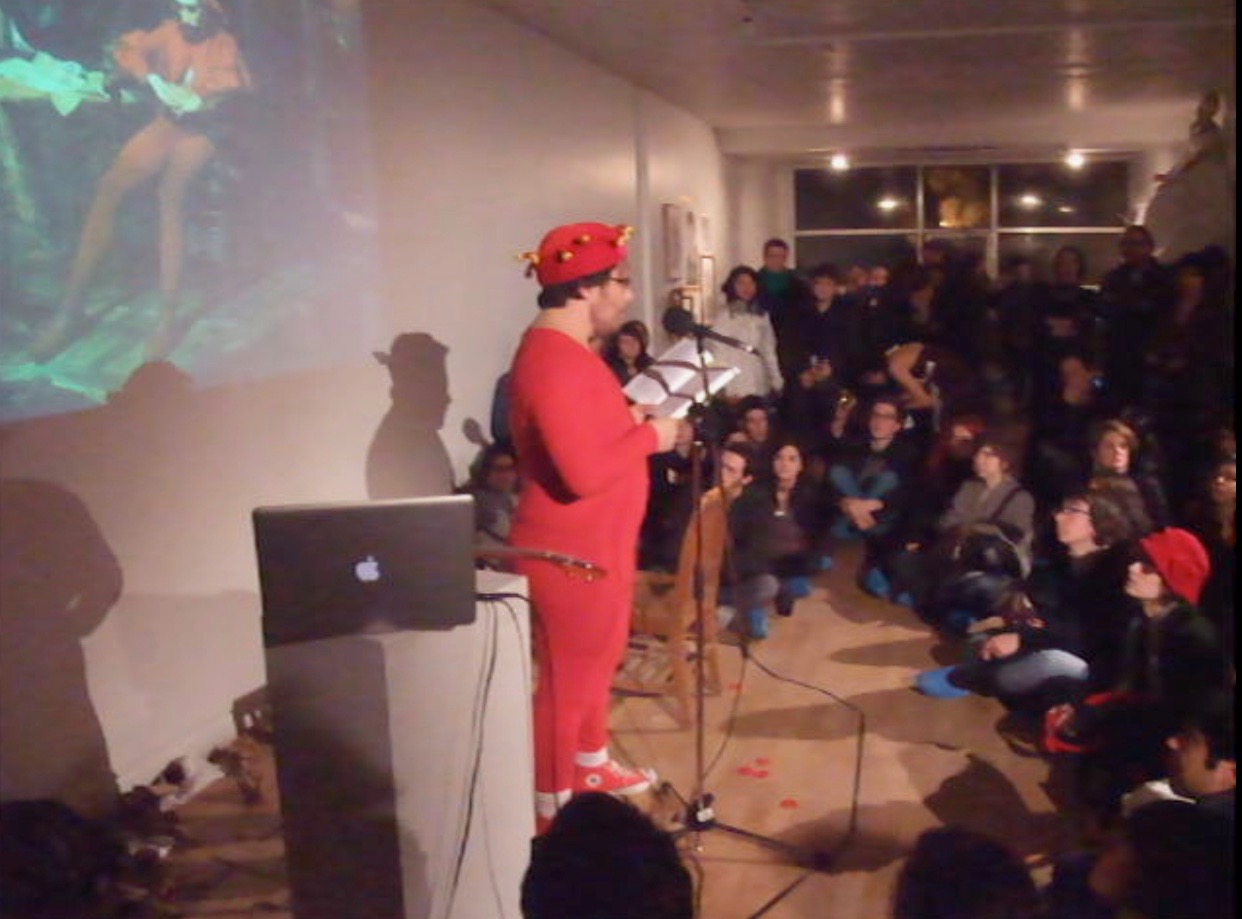
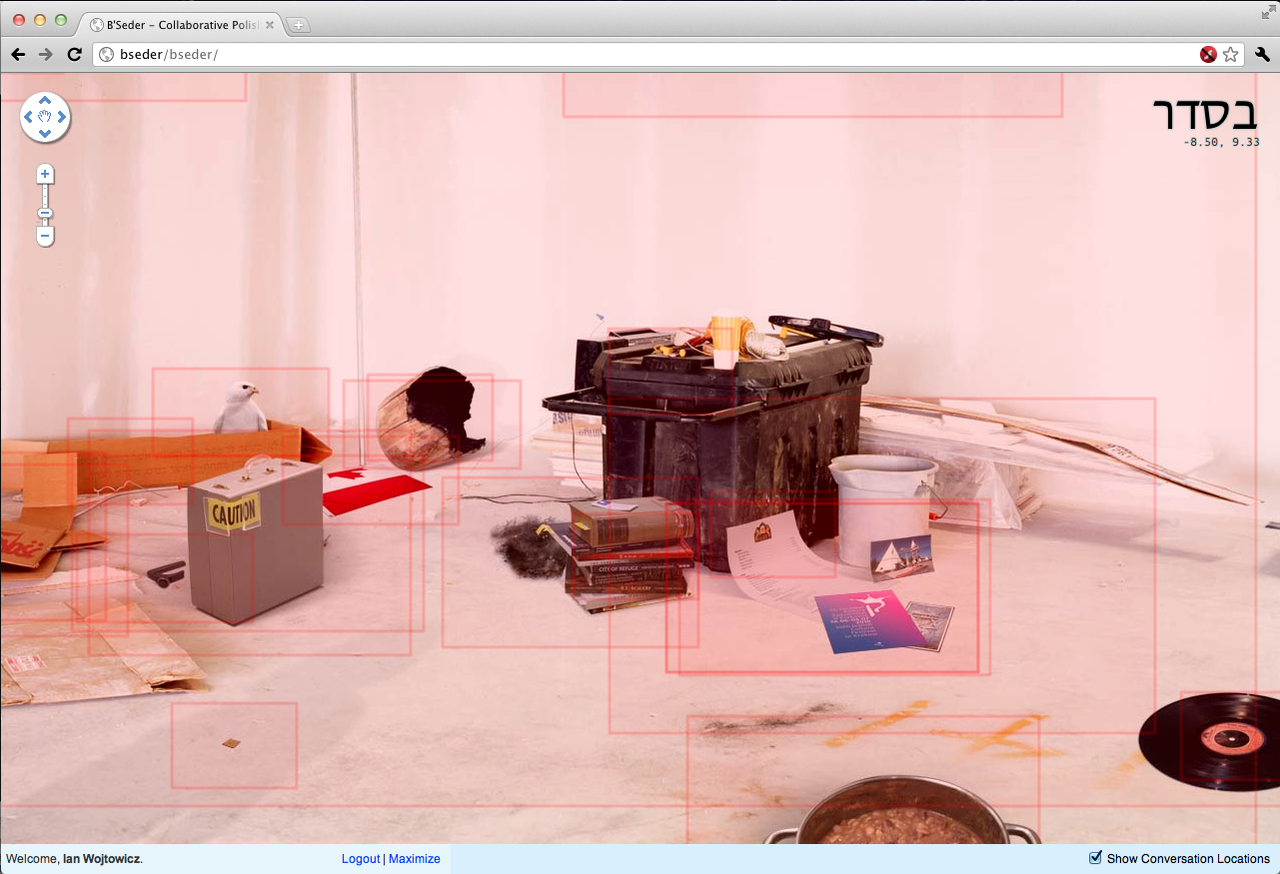
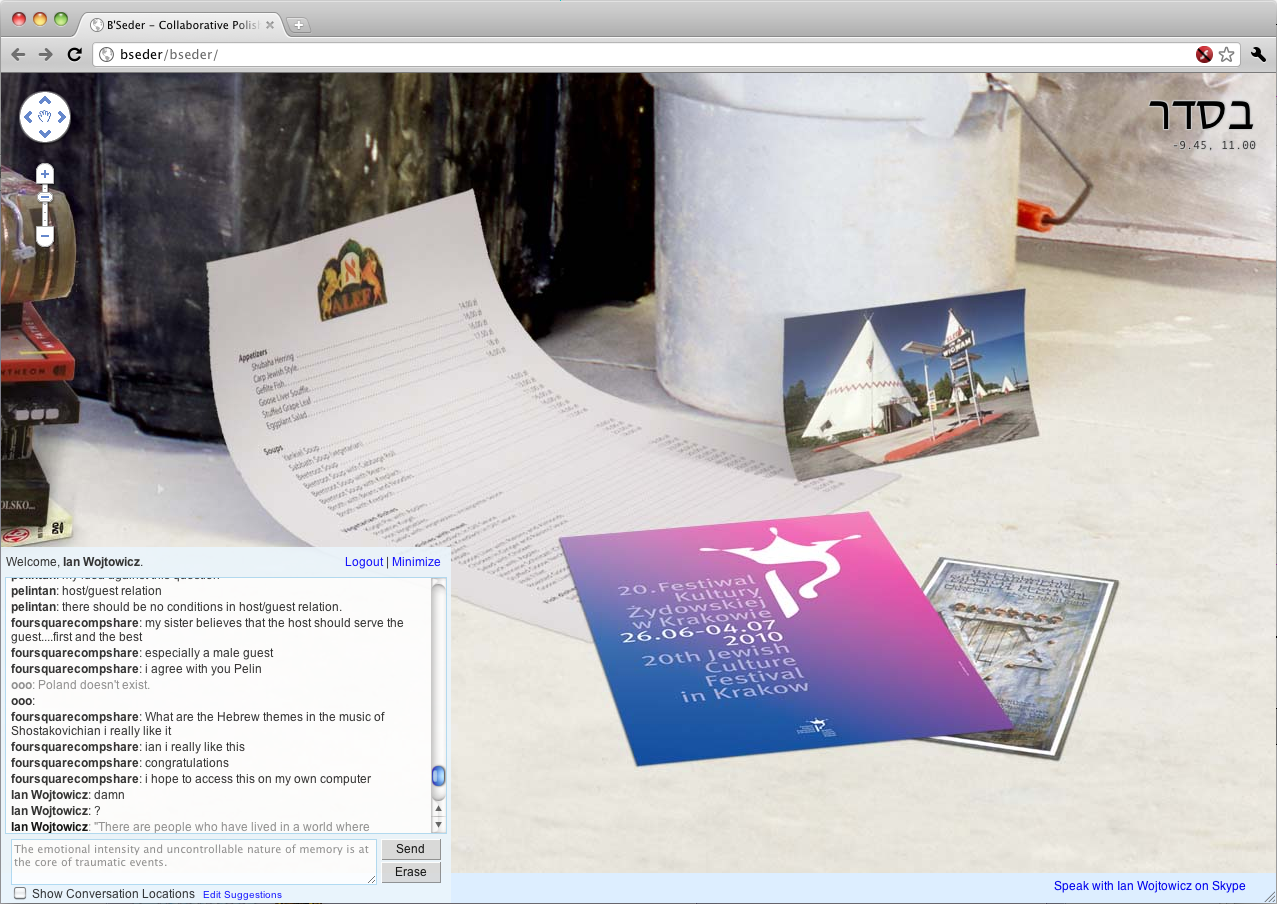
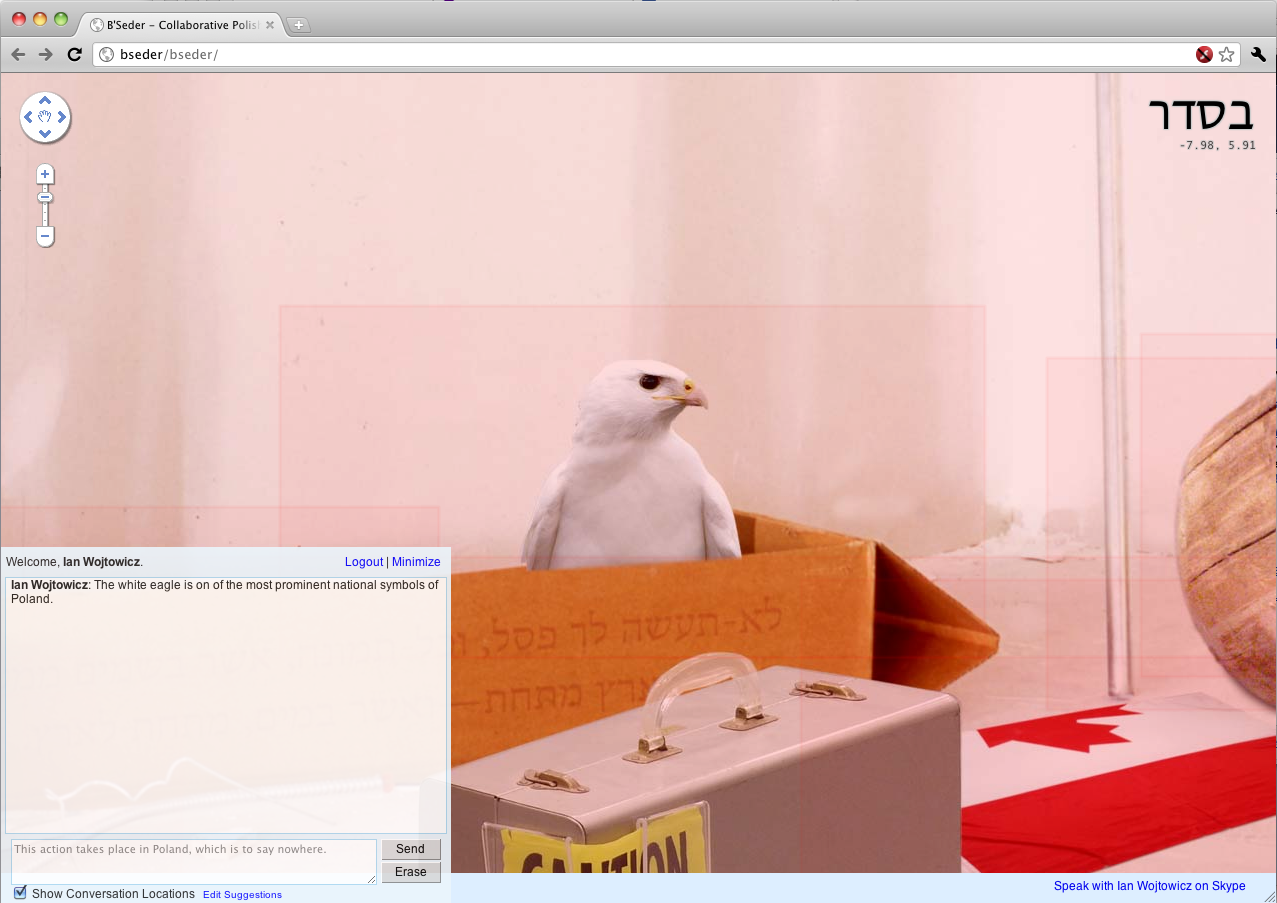
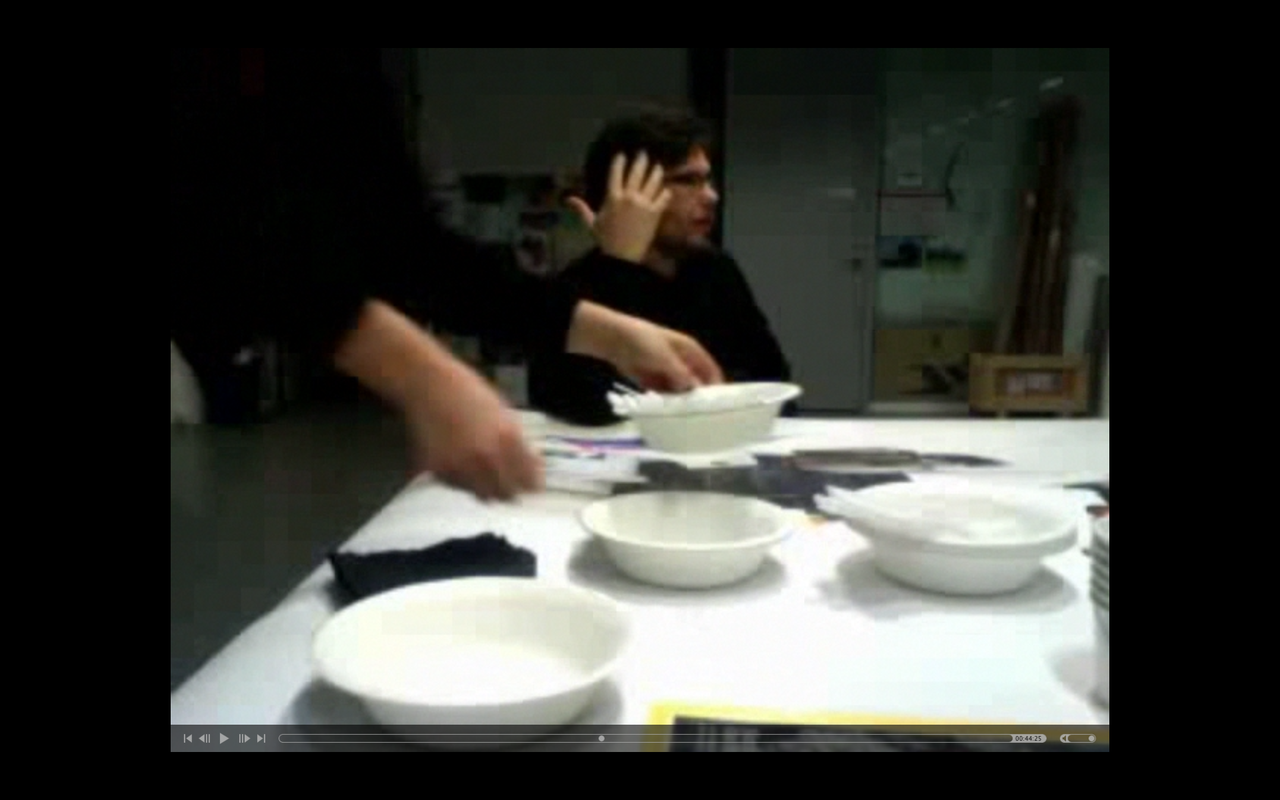
This project formed the core of my Graduate Thesis. To date, B'Seder has been presented in person at MIT Hillel, Harvard and Boston University, L'art passe à l'Est in Montreal and Polin: Museum of the History of Polish Jews in Warsaw. B'Seder also exists as a software app for remote interactions.
Funded in part by a grant from the Awesome Foundation.
2 Ibid, 10.