| If profound intractable problems exist in society, it follows that the professions needed to fix them have not yet been invented. Ian Wojtowicz (he/him) is a writer who builds stuff. His work applies techniques of connection, dissensus, modifiability, playfulness, editing, argument, dialogue, and repair. He has shown work in Hong Kong, Europe and throughout North America, and has published work in Wired Magazine, Atlantic Monthly, and on PBS and Discovery channels. Professionally, Wojtowicz has consulted for the Canadian Broadcasting Corporation, the US National Coast Guard Museum, the Redwoods National and State Parks, and indigenous cultural projects at Nk'Mip and Wanuskewin. Wojtowicz holds a degree in Art, Culture and Technology from MIT’s School of Architecture and is the editor of a collected volume from MIT Press entitled Interrogative Design, on artist Krzysztof Wodiczko's influential design philosophy. He currently lives and works in Vancouver, Canada, on the territories of the Squamish, Musqueam and Tsleil-Waututh people. |
Oak
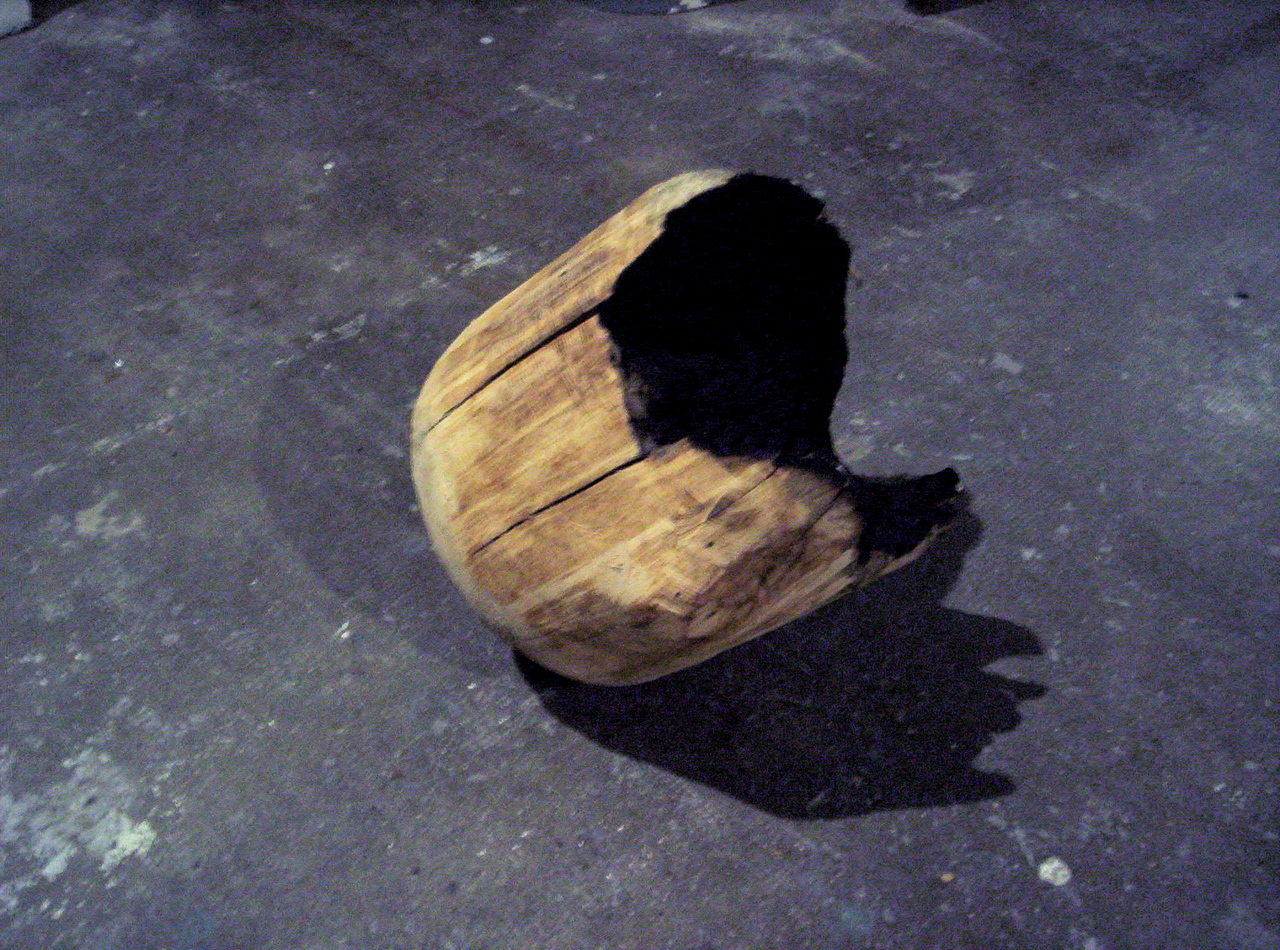
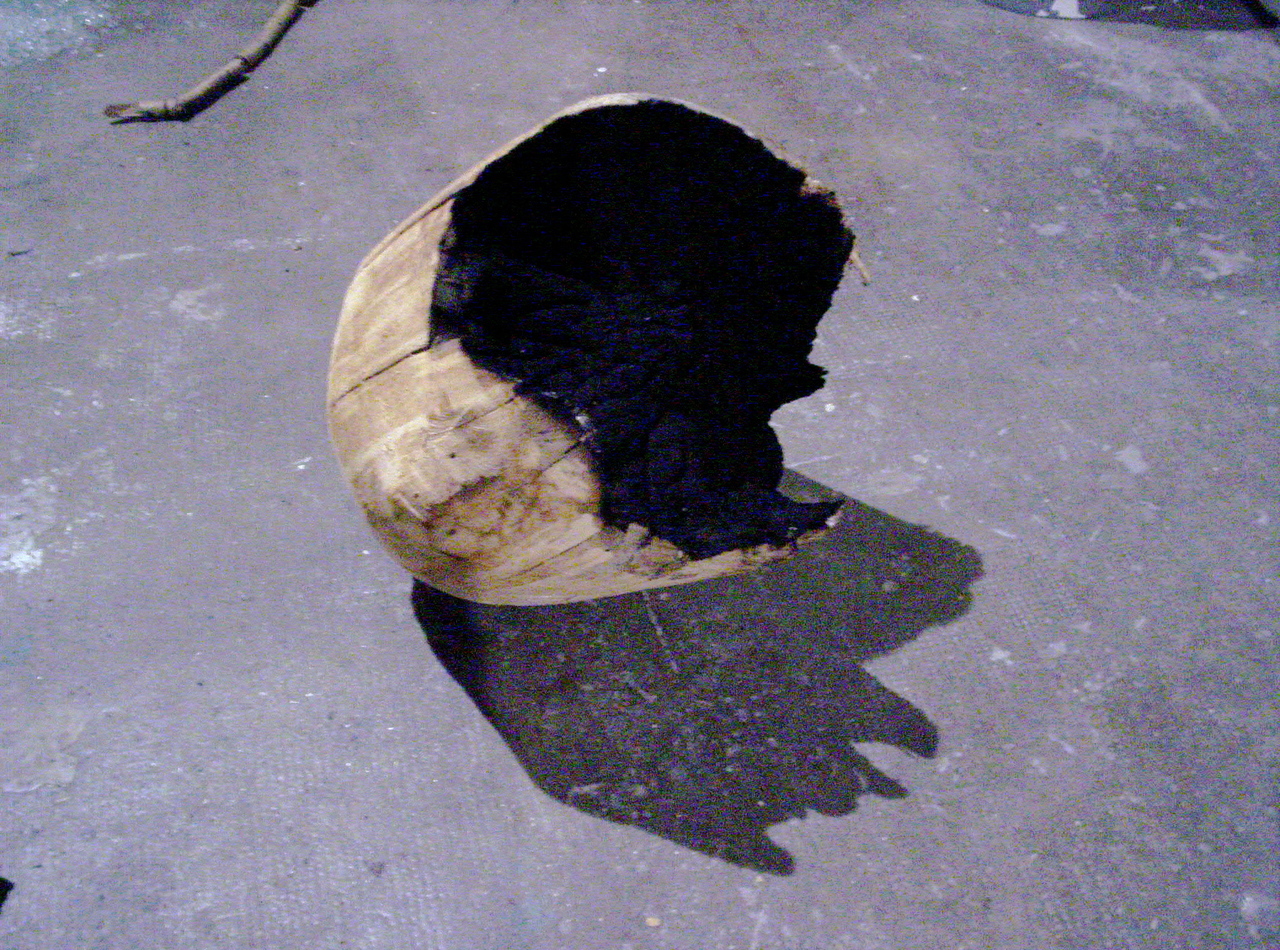
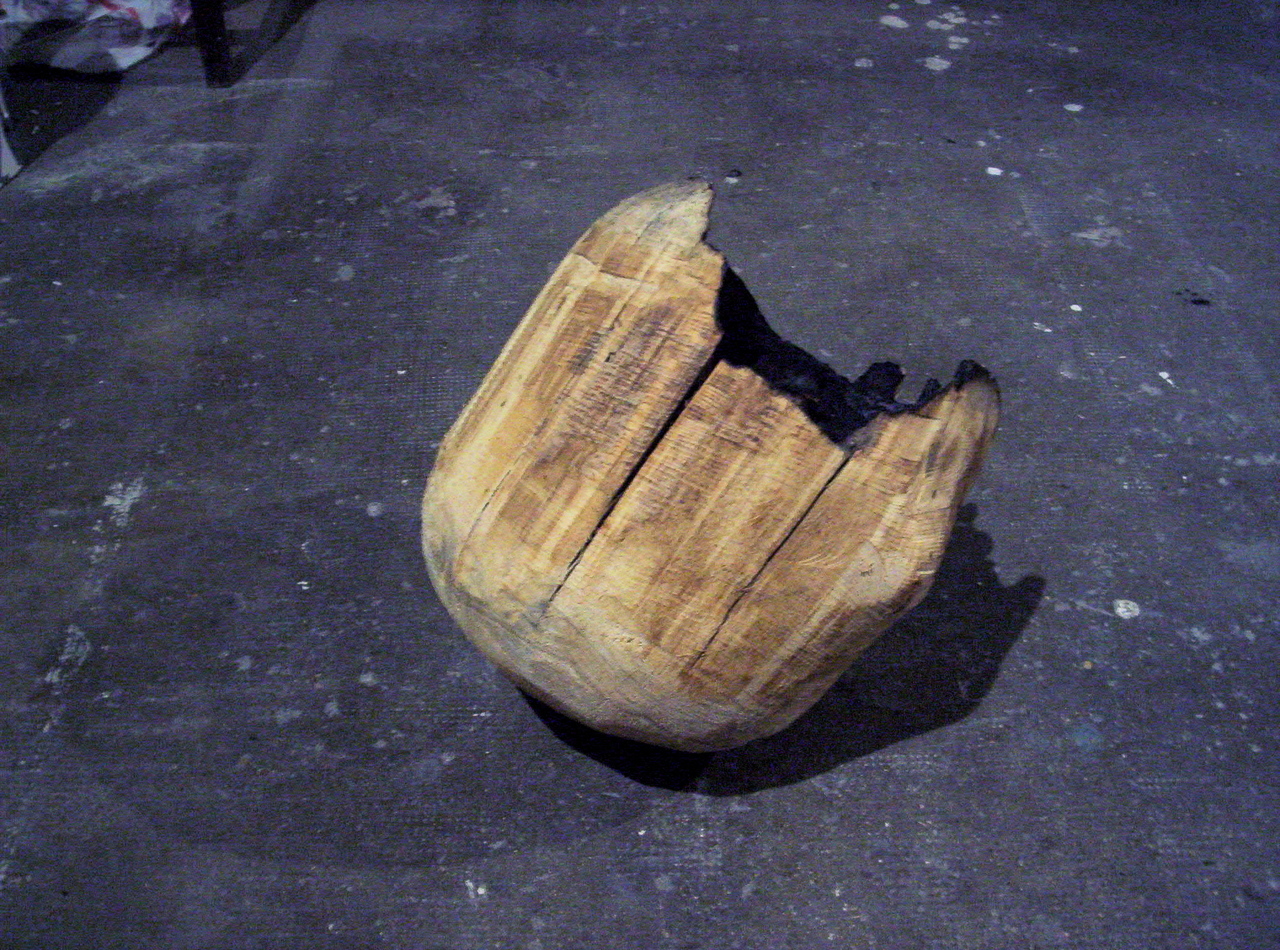
This sculpture began with a desire to hold the weight of a human head in my hands. I knew the exact shape, size and weight that I wanted to create. Like Lygia Clark's therapeutic objects, tactility was crucial.
After considering different materials, I settled on wood. From there, the project evolved fluidly through a variety of different forms and subjects, meandering away from my initial goal into unexpected territory. It became a kind of transitional object and storytelling device.
I found the material I needed while visiting my grandmother in Ontario. I was thinking about her life story, about Poland's history, about conflict and purpose in life. My grandmother had risked her life in the Warsaw Uprising in 1944 and was considered by many to be a hero of the war.
I told my grandmother that I wanted to carve some wood and she suggested that I visit her German neighbor, W. W was a distant character from my childhood. He would visit my grandparents from time to time with his big personality and generous spirit. He owned many acres of forest, which he let us explore on walks and cross country skiing trips in the winter. I remember his visits warmly.
The last time I had been to W's farm, I was totally unread and naive to the narratives of history. But on this visit, that summer, my mind meandered through what I had learned about World War II. I began to wonder about the dynamics of Polish-German relations. How could such a situation could have evolved? What motivated Germans to commit such atrocities? How could my grandparents be friends with W, after all that had happened in the war?
W greeted me at the door to his home with recognition and cheerful caution. When I explained that I was looking for some wood to carve, he said "as long as it isn't going to be a portrait of the Pope." I chuckled and assured him that it wouldn't be. He helped me find two stumps from his woodpile: one oak, one maple.
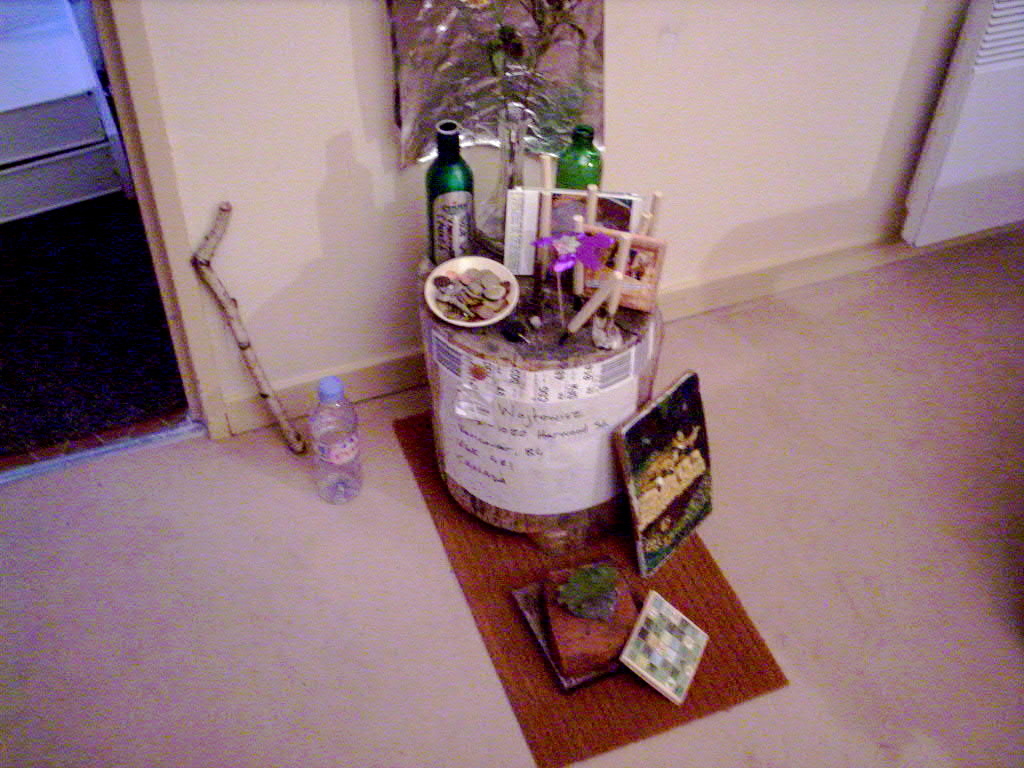
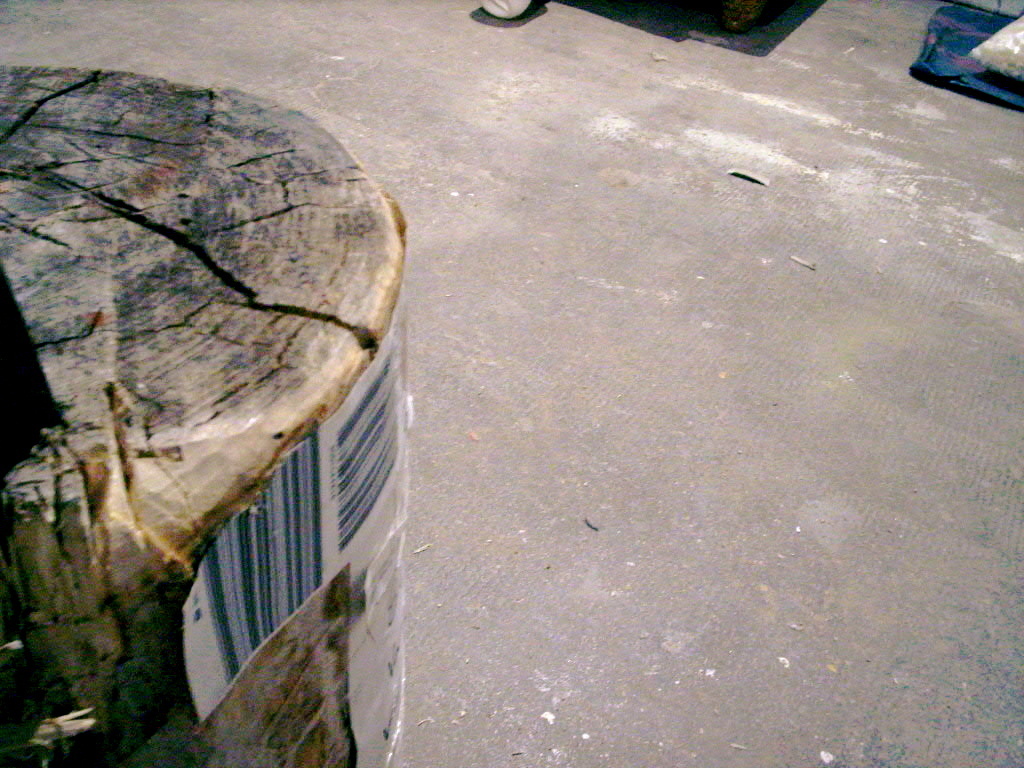
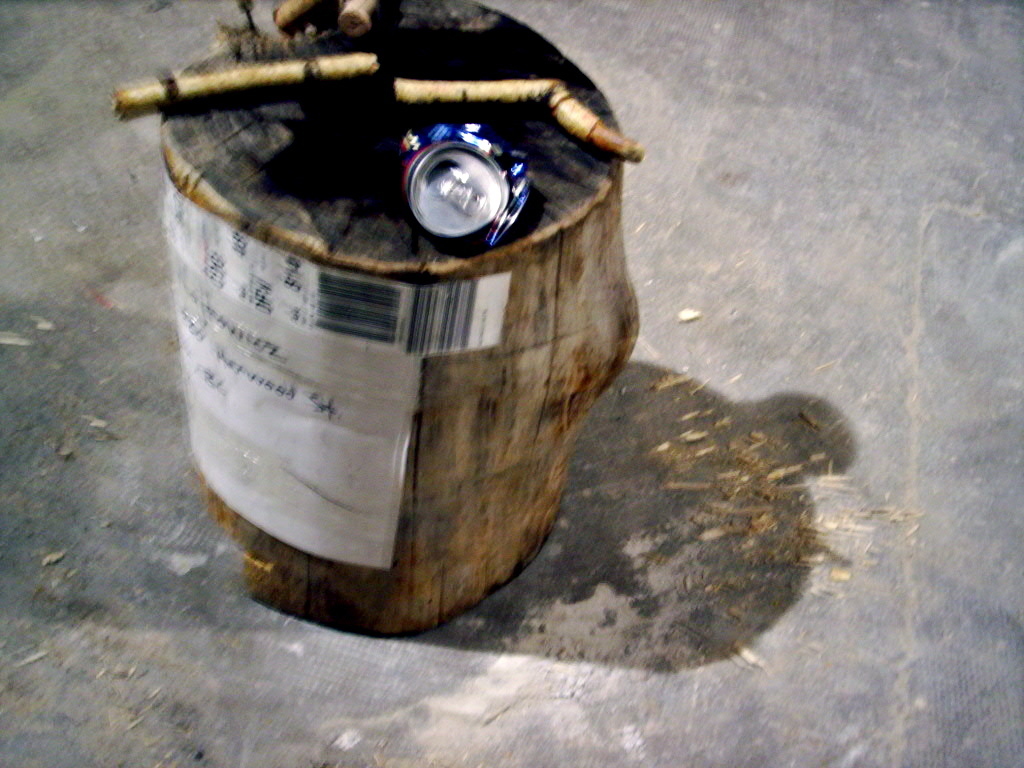
I thanked him and left and took the two stumps back to Vancouver by Greyhound. A few months later I flew the oak stump to Paris, through Dallas, where it picked-up a holographic Department of Homeland Security sticker. The many puzzled conversations with baggage handlers, customs agents and security staff introduced me to the idea that art could be dangerous.
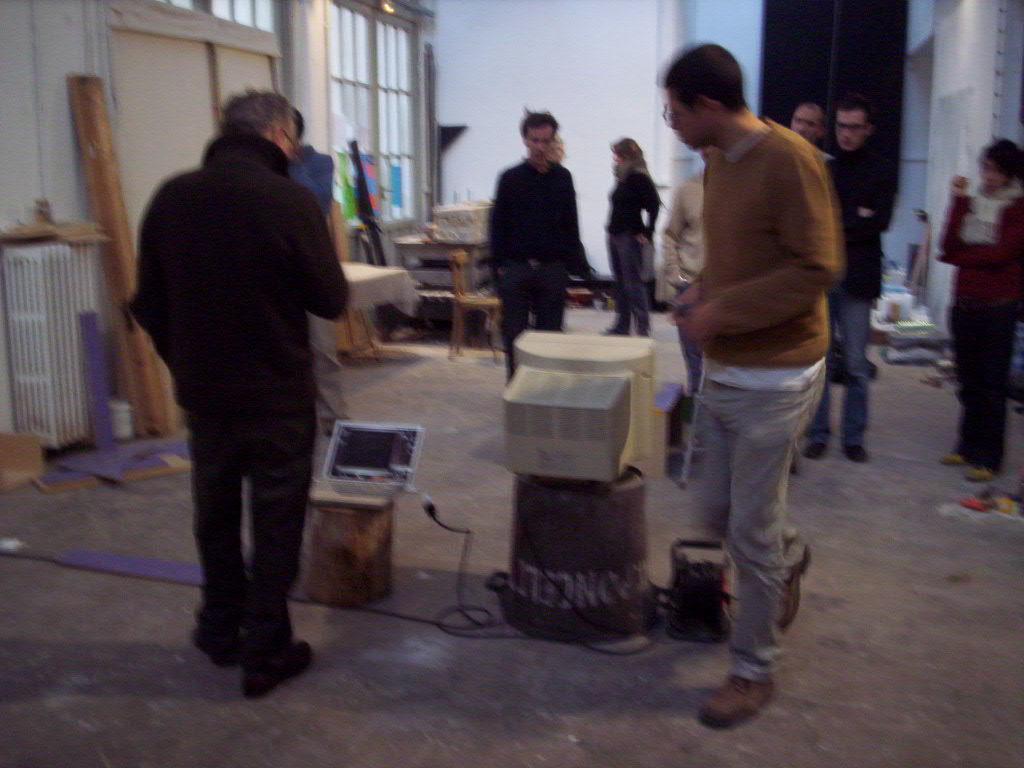
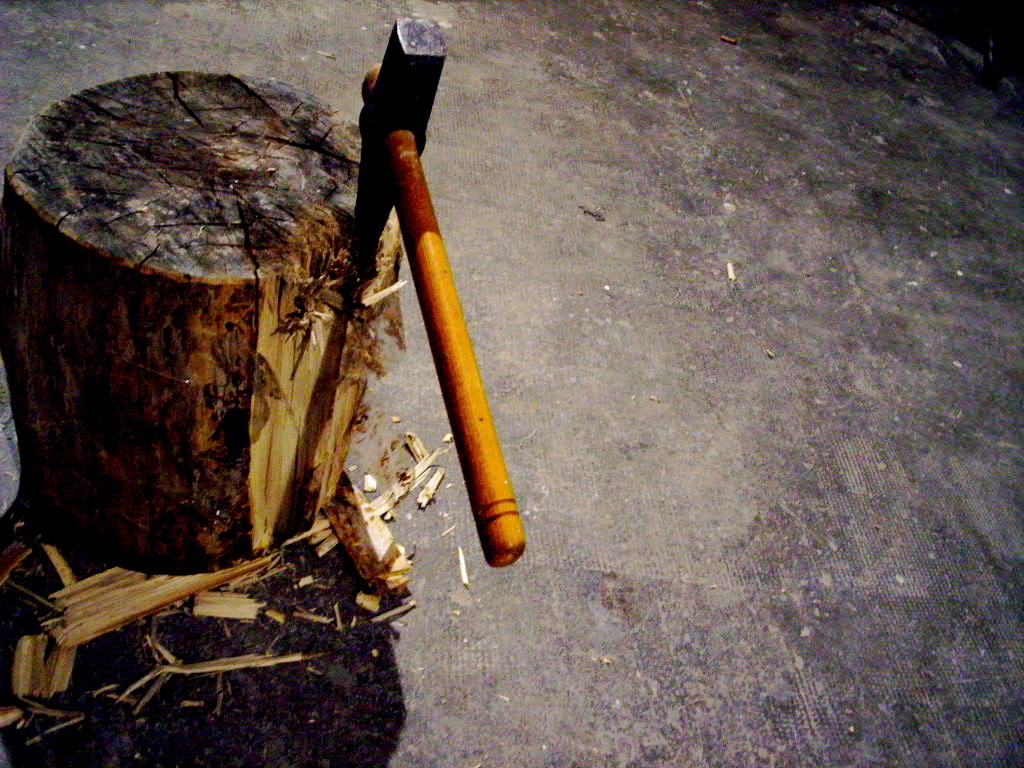
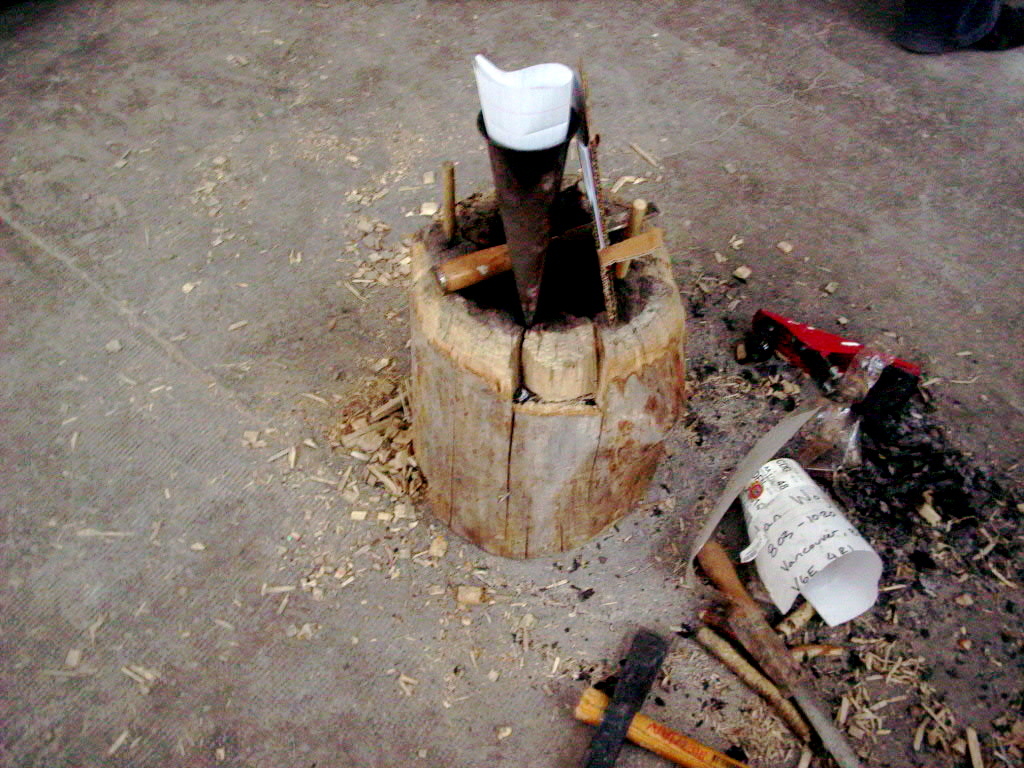
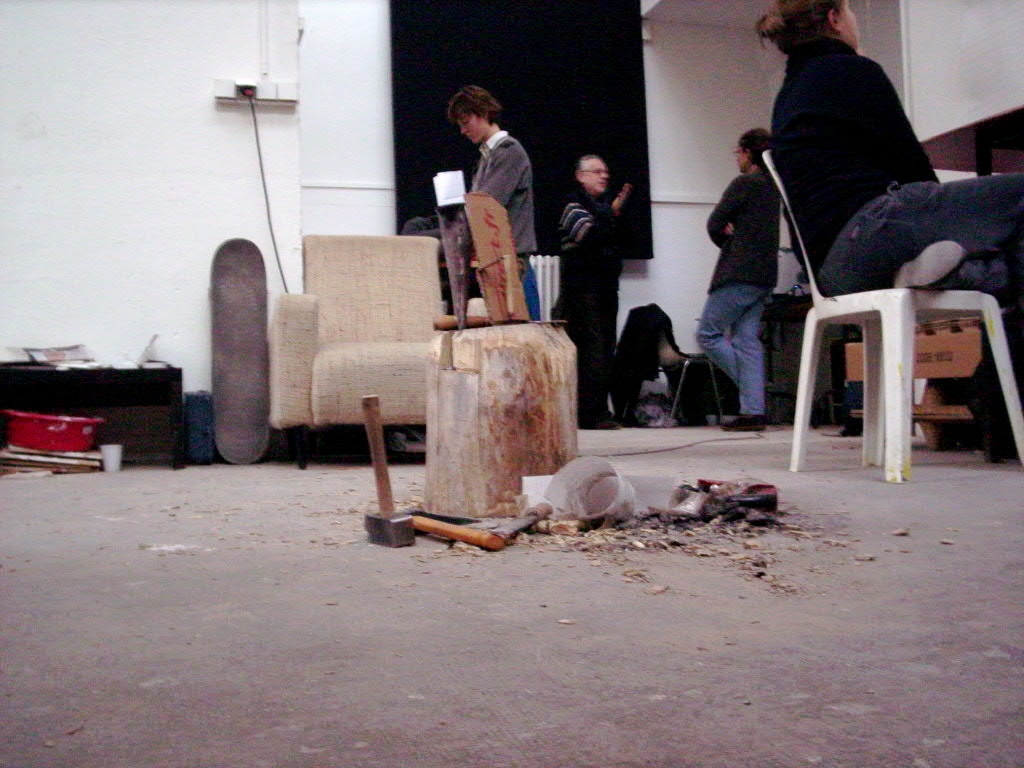
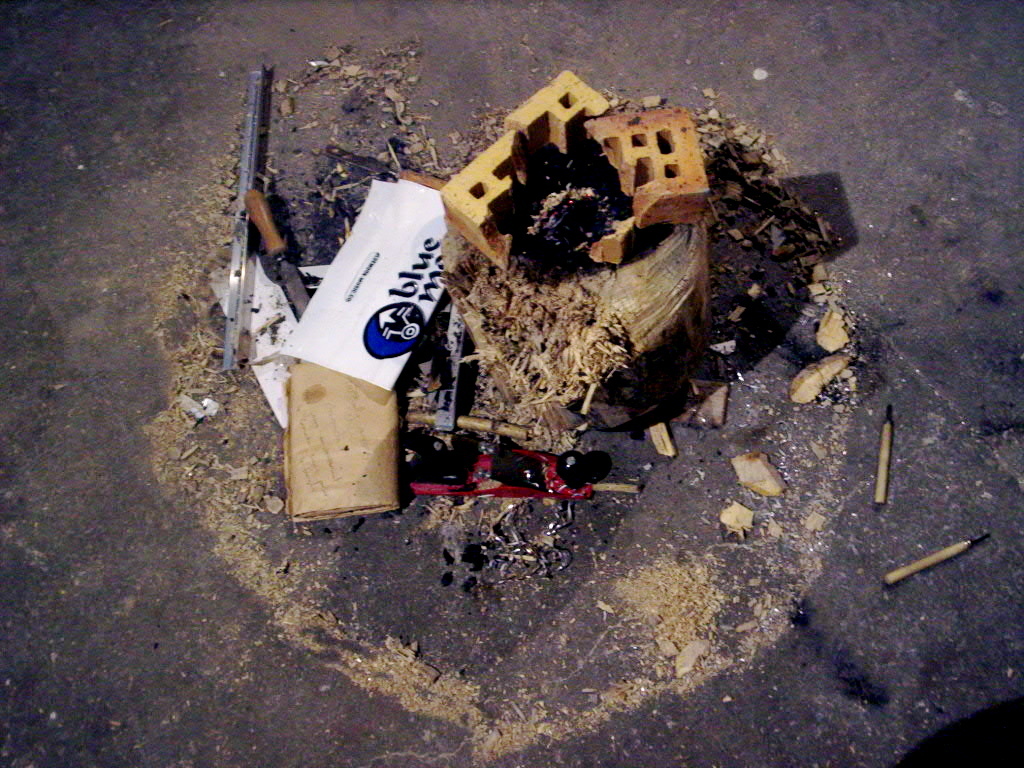
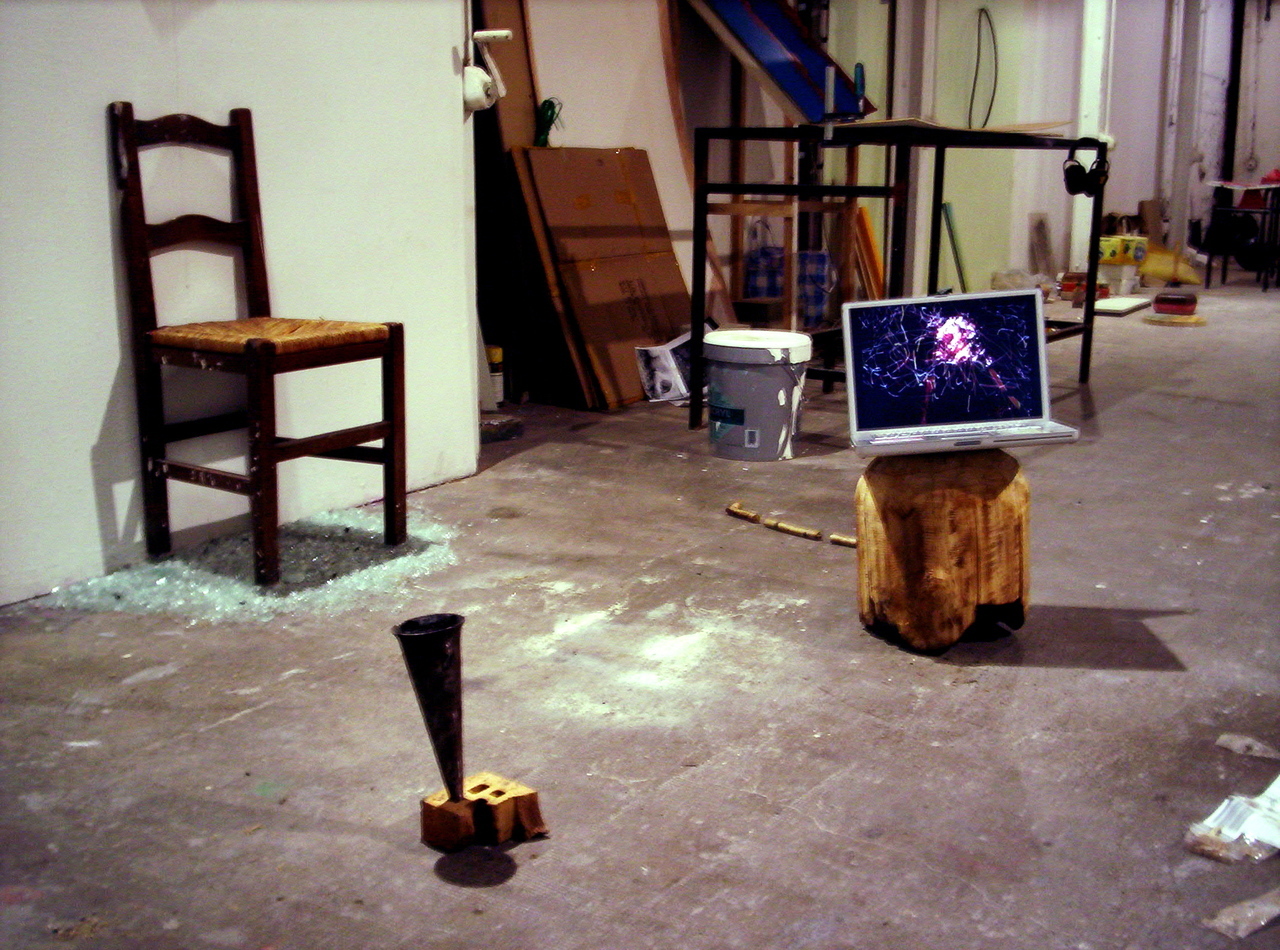
The video above shows the slow formation of the work over four months in Paris, at ENSBA. The sculpture took form while I read Rafael Scharf's Co mnie i Tobie Polsko in which he reminicises nostalgically about prewar Poland, delivers a scathing critique of inadequate Polish resistance to the Holocaust and describes conditions for an improved relationship between Poles and Jews.
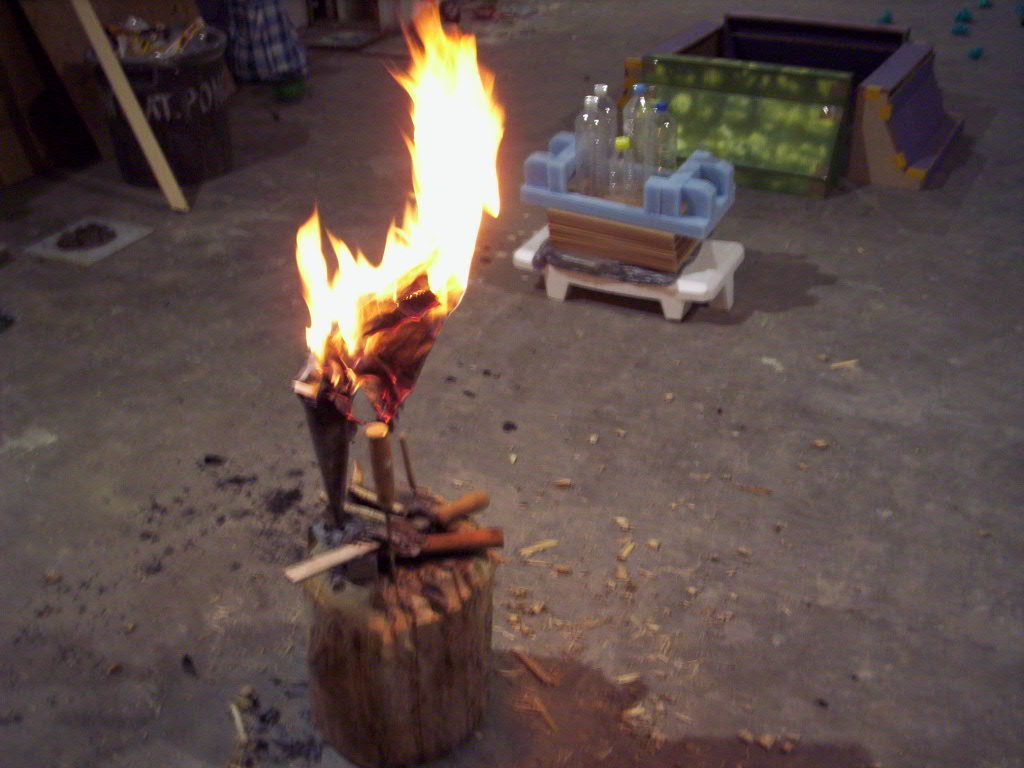
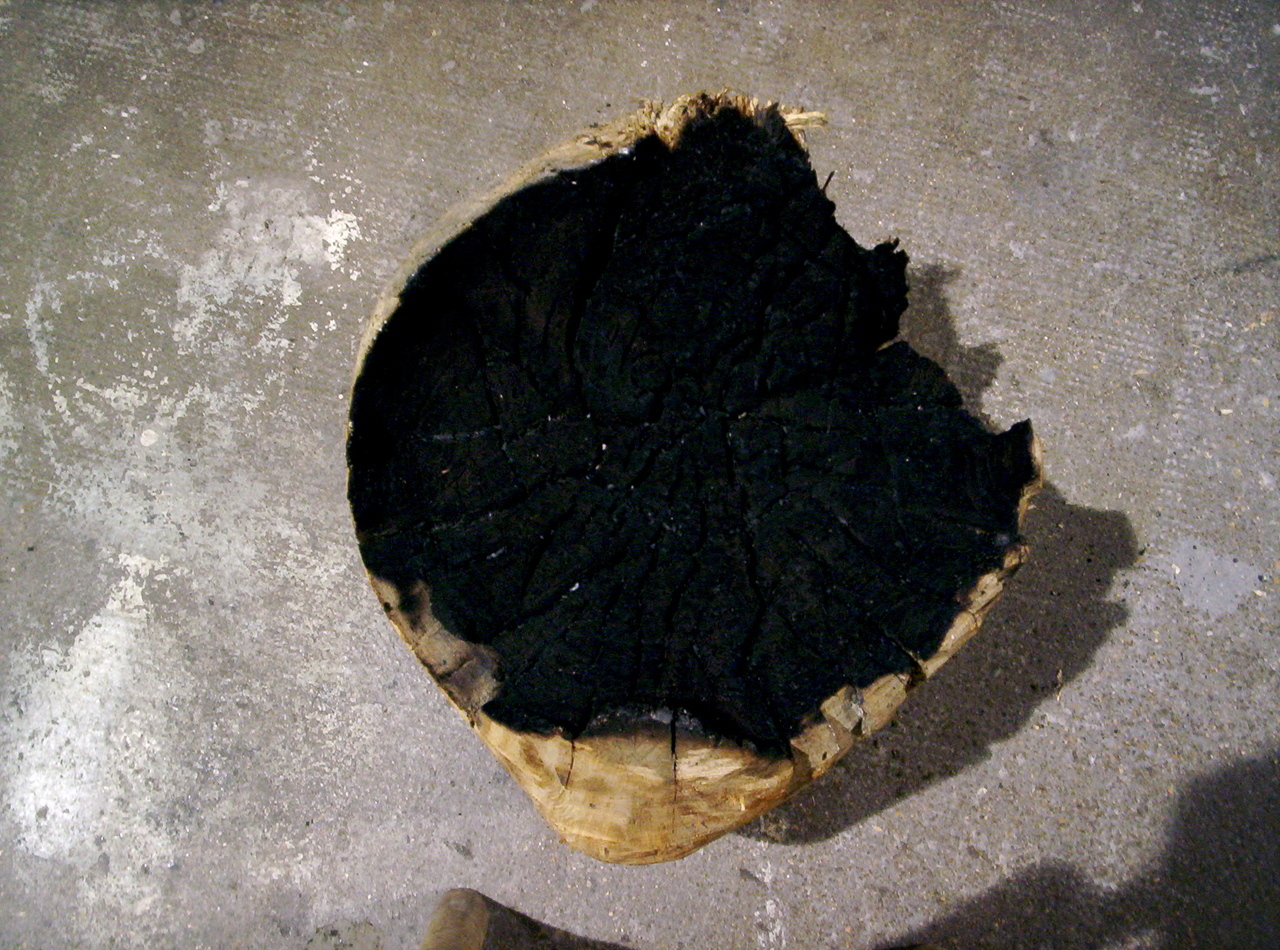
I read this while I worked. And while I worked the suburbs of Paris were alight in riots. At any moment it seemed like the violence outside the city could spill in. I took this tension into the work and switched from carving with a chisel to carving with fire. The open flame in the middle of the school sculpture studio tested the anxiety of my peers and although it made them uncomfortable, they allowed it. My sculpture became a hearth and the very same element that destroyed the banlieux created something new inside the city.